



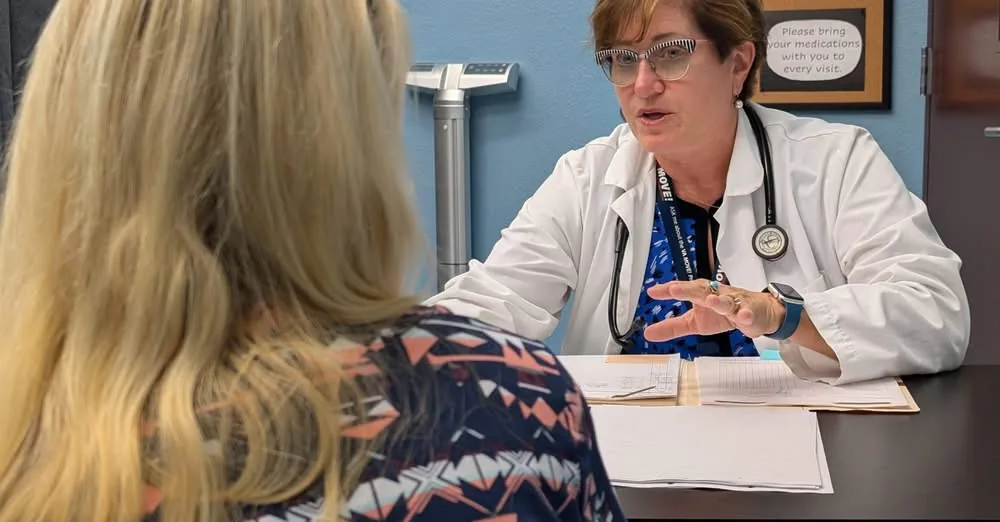
PONTIAC, MI — More Michiganders who are losing insurance or finding coverage unaffordable are expected to turn to free clinics for care in the months ahead. At clinics in places such as Ogemaw Hills, Ferndale, Hillsdale and Pontiac, staff members say demand is already rising as premiums climb and some patients drop coverage they can no longer pay for.
The clinics do not charge patients anything. Instead, they rely on volunteers, donated medicine, hospital support for lab work and constant fundraising to keep services available. Leaders say those limits make the work difficult, but they also mean the clinics can serve people who would otherwise delay treatment or skip it altogether.
Working families are arriving with jobs but no usable coverage
Clinic leaders describe many of their patients as working people who still cannot afford insurance. At FernCare Free Clinic, executive director Dan Martin said more than 80% of patients have jobs, and many have two. They earn too much to qualify for Medicaid but too little to comfortably buy coverage on the open market.
That gap is showing up across the state as premiums rise. At one point, one patient said a monthly premium exceeded $600, which forced the family to give up insurance because it took up about half of a paycheck. Clinic staff say that kind of decision is becoming more common as health coverage becomes harder to sustain.
Even patients with steady employment are now weighing whether they can afford doctor visits, prescriptions and follow-up tests. For many, free clinics have become the only realistic place to get care without adding new bills to the household budget.
Ogemaw Hills Free Clinic sees more patients in 2026
Ogemaw Hills Free Clinic, a converted church school with a blue dome off I-75, has seen its patient count rise sharply this year. In the first eight months of 2026, the clinic served 229 patients, up from 149 over the same stretch two years earlier.
Office manager Laura Schorn said the clinic charges nothing, not even a penny, to patients. That model depends on volunteer doctors, nurses and pharmacists, along with donated drugs and free lab work from local hospitals. The clinic’s mission is simple, but keeping it going is not.
Schorn said the clinic is hearing from people who lost Medicaid as their income increased. She expects even more calls once other coverage changes begin to affect households that already struggle to keep up with monthly premiums.
New Medicaid rules and premium hikes could deepen the strain
Several coverage changes are expected to put added pressure on Michigan residents. Full Medicaid benefits end for many non-citizens, including those lawfully present in the United States, on Oct. 1. Then on Jan. 1, some 650,000 Michiganders will have to document twice a year that they are working or volunteering 80 hours a month, or that they qualify for a medical or other exemption.
State data also show Michigan’s expanded Medicaid program, the Healthy Michigan Plan, has been shrinking. By last month, enrollment had fallen to its lowest level since the administration of former Gov. Rick Snyder. At the same time, mid-year data indicated about 130,000 fewer Michiganders had Affordable Care Act marketplace coverage this year than last, while costs climbed about 20%.
For clinic leaders, those figures point to a growing need. They say the people most likely to be affected are not the chronically idle, but workers whose incomes place them in a fragile middle ground between public help and private affordability.
Patients often delay care until symptoms become harder to ignore
Patients themselves say the cost of care changes the way they think about symptoms. One 58-year-old woman, waiting for an appointment at a free clinic, said she recently left a hospital after a doctor wanted to order more tests when her chest felt tight, her head hurt and she became dizzy.
Her blood pressure had dropped, and the doctor wanted additional evaluation. But she said her job pays less than $14 an hour, and she could not risk another bill she did not know how to pay. She also said she is trying to stop smoking and takes vitamins while dealing with pressure in her chest and uncertain scan results.
That kind of hesitation worries clinic staff, who say patients may put off care until their conditions worsen. The clinics often help arrange free follow-up testing, medicines and specialist visits when possible, but only within the limits of what donated services can cover.
Free clinics grew after Medicaid expansion, and leaders expect a reverse shift
Clinic leaders say Michigan’s 2014 Medicaid expansion and more affordable marketplace plans reduced demand for free clinics for years. At St. Peter’s Free Clinic of Hillsdale, executive director Lynn Burkett recalled lines of patients dozens deep on Tuesday nights before 2014. Now, the clinic sees about six patients each week.
Burkett said even her own insurance costs more than $700 a month and comes with a high deductible, making it feel like a policy you carry mainly to avoid disaster. She and others expect those numbers to move back up as more residents lose coverage or can no longer keep up with premiums.
Mary Lewis, CEO of the Gary Burnstein Community Health Clinic in Pontiac, said her clinic provided 9,518 patient visits last year and is on pace for 12,849 visits this year, a 34% increase. She argues that free clinics can keep people out of emergency rooms and help stabilize health problems before they become far more expensive.
Leaders at several clinics said the next wave of demand is likely, but they believe the volunteer model can adapt if enough people keep stepping up. As one longtime organizer put it, the clinics are preparing to meet the need, and they intend to stay open for the patients who have nowhere else to go.