


ALBANY, NY — New York State has rolled out a measles dashboard aimed at helping health care officials and the public keep tabs on local risk as confirmed cases continue to increase. The online tracker, created by the New York State Department of Health, is designed to show how cases are distributed across the state and to make the latest numbers easier to follow.
State Health Commissioner Dr. James McDonald said measles remains a serious threat because it spreads quickly and can lead to hospitalization. He noted that the illness is effectively prevented when people stay current on measles immunizations.
State dashboard shows 57 confirmed cases as of Sept. 12
The dashboard’s most recent update listed 57 confirmed measles cases in New York as of Sept. 12. Health officials said case totals are updated weekly as new information comes in.
Of those confirmed cases, six were in New York City and 51 were outside the city. The state said the dashboard is meant to give a clearer picture of where infections are being identified, though it does not reveal every location or include details that could identify individual patients.
Upstate counties are seeing some of the largest totals
Several upstate counties have seen notable case counts. Steuben County had 10 confirmed measles cases on the dashboard, while Seneca County had nine.
The state has not published a full case-by-case map of every illness, but the county totals give residents a sense of where public health officials are watching the situation most closely. The dashboard is intended to help people understand local risk without exposing private patient information.
Officials say monitoring and contact tracing are part of the response
State and county health departments are working together to closely monitor and investigate every reported case, according to health officials. That effort includes contact tracing and other steps used to slow the spread of infectious diseases.
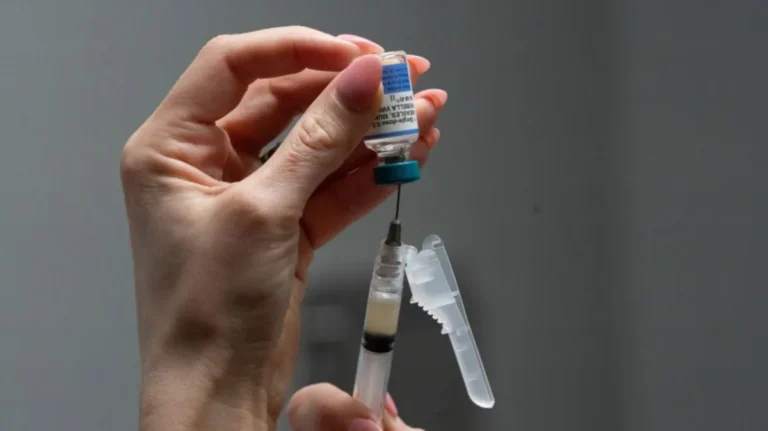
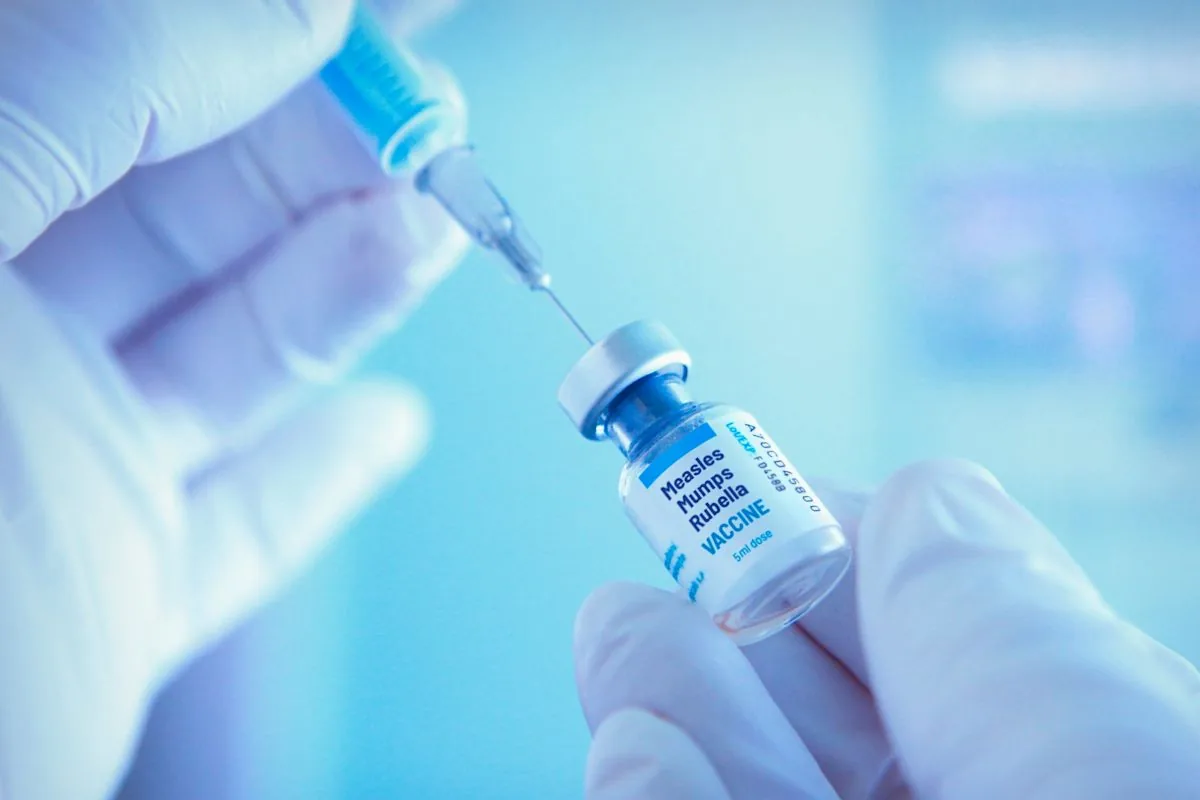
Officials also said they are offering the measles, mumps and rubella vaccine to unvaccinated people who ask for it. Public health teams are using the growing case count as a reminder that prevention remains the best protection, especially during a broader rise in measles cases in the United States and around the world.
Who faces the greatest risk from measles
Measles is highly contagious and can spread through the air when an infected person coughs or sneezes. It can also be picked up less commonly from a contaminated surface if someone then touches their eyes, nose or mouth.
People at the highest risk include those who are unvaccinated, pregnant people, children younger than 12 months and people with weakened immune systems. Health officials say the disease can cause serious illness and hospitalizations, making vaccination especially important for anyone who is not up to date.
Symptoms to watch for and when to call ahead for care
Anyone who is unvaccinated or who has recently been exposed to measles should watch for a high fever, rash, runny nose, cough and red eyes. Those symptoms can develop after exposure and should be taken seriously.
People who think they may have measles should contact a health care provider or local health department. If medical care is needed, officials say to call the facility before arriving so staff can take appropriate precautions and reduce the chance of exposing others.