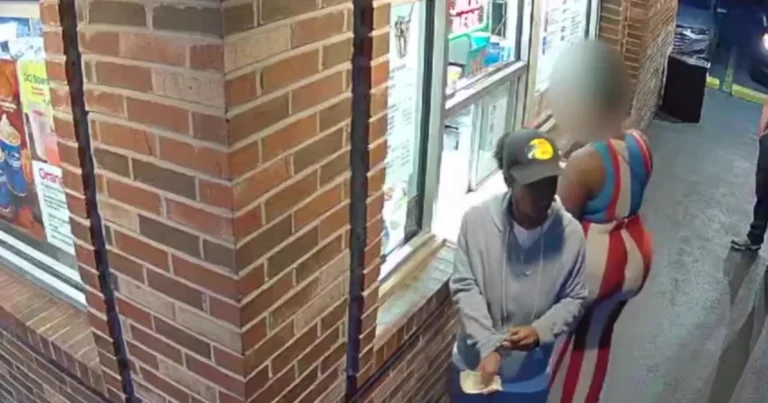


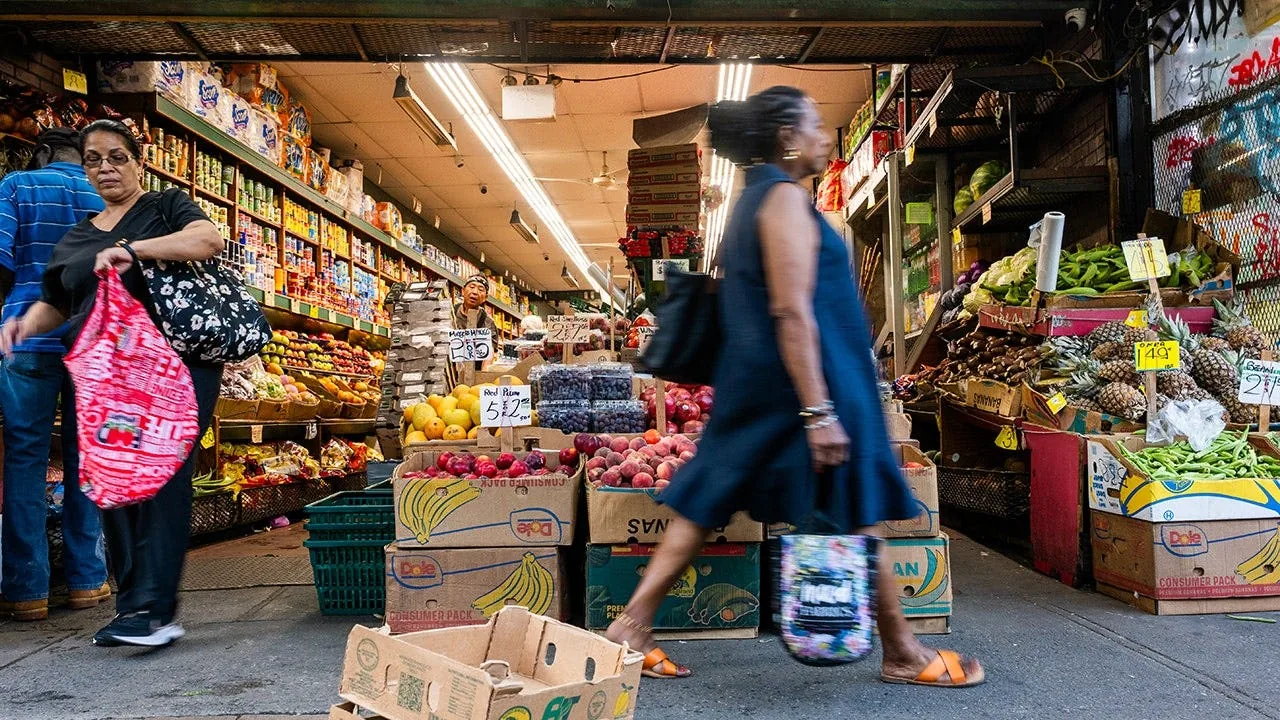
NEW YORK, NY — A family-run grocery in East Harlem is facing fresh uncertainty as New York City moves ahead with a plan to open city-backed supermarkets in all five boroughs. Josefina Aguirre says her parents built Little Mexico from scratch, and she has spent nearly 30 years helping keep the business alive through rising rents, inflation, the pandemic and a changing neighborhood.
Now, Aguirre says the city’s grocery experiment could become the most serious threat yet. One of the planned stores is set to open next year at La Marqueta, a public market just two blocks from Little Mexico. With the city expected to spend about $30 million on that location, Aguirre sees a taxpayer-financed rival arriving almost at her doorstep.
A neighborhood store built by immigrant parents now faces a city-backed rival
Little Mexico opened in 1997, and Aguirre describes it as the product of her immigrant parents’ hard work and sacrifice. The store has become more than a place to buy groceries. For her, it represents family history, a mortgage payment, and the means to help pay her child’s tuition.
That personal connection is part of why she says the city plan feels so different from ordinary competition. Independent grocers have always dealt with supermarkets, big-box chains and other neighborhood stores. But Aguirre argues this time the competition would be supported by public money, making it much harder for a small store to keep up.
Her fear is not simply that sales will dip. She worries the business that helped sustain her family for decades could be pushed toward closure if customers shift to the lower-priced city store.
The mayor says five municipal grocery stores would cut prices about 30%
Mayor Zohran Mamdani has committed $70 million to open five municipal grocery stores, one in each borough. The goal, he says, is to bring down food costs for New Yorkers who are struggling with higher grocery bills.
Mamdani says the city-owned model would let the stores charge roughly 30% less than comparable retailers. Because the stores would operate on city property without paying rent or property taxes, supporters say they can pass those savings along to shoppers.
That approach is exactly what alarms independent grocers. They argue the plan would give city-run stores a built-in advantage that private businesses cannot match, especially in a city where margins are already tight.
Grocers say taxpayer support creates an uneven playing field
Aguirre is among the grocers taking legal action against the city over the proposal. The coalition argues that public funds are being used to create competition private businesses cannot realistically withstand.
She says grocers like hers are not afraid of competition in the usual sense. For decades, stores have fought for customers by adjusting prices, improving service and building loyalty. But she believes a taxpayer-backed store changes the rules entirely.
In her view, if a city store offers a whole chicken for $7 while a private shop charges $10, many customers will choose the cheaper option. That difference, she says, could be enough to pull business away from stores that already operate on thin margins.
What losing the store would mean for one East Harlem family
For Aguirre, the issue is not abstract policy. It is tied to daily life and to the way her family has supported itself for years. She says she pays her mortgage from the store and depends on the business to help cover her child’s tuition.
That is why she says the possibility of losing Little Mexico feels so painful. She remembers the shop as something her parents left behind for the family, and she does not want to see that legacy disappear because of a city project.
Aguirre has said she does not want to start over in a new career. Instead, she wants the store to keep serving the neighborhood as it has for nearly three decades, even as the city’s plan moves forward nearby.
La Marqueta plan raises the stakes for nearby merchants
The planned store at La Marqueta gives the dispute a very local focus. The public market sits only two blocks from Little Mexico, which means the city-backed shop would not be an abstract threat somewhere else in the borough.
That proximity matters because neighborhood grocery trade depends heavily on convenience and repeat customers. A lower-priced store so close by could quickly alter shopping patterns, according to Aguirre and other independent owners who worry about the same pressure.
For the family at Little Mexico, the concern is not only about one store opening. It is about what happens if similar municipal groceries are established across the city, each operating with the same taxpayer-supported advantages.
Mamdani’s grocery push becomes an early test of his broader agenda
The municipal grocery plan is also being watched as an early test of Mamdani’s broader socialist vision for New York. It places government-run stores directly in competition with private businesses in a city long defined by private enterprise.
Mamdani’s office did not respond to Fox News Digital’s request for comment. For Aguirre, though, the debate has already become personal and immediate. She says the store her parents built is now fighting to survive against a public competitor she believes it cannot match.
She worries that if the plan succeeds as designed, closing the business may become the next step. For now, she says she wants to keep the doors open and preserve what her family built nearly 30 years ago.