

NEW YORK, NY — New York City has opened its first public portal for 9/11 records and released more than 170,000 pages tied to the city government’s response to the attacks and the aftermath.
The announcement comes just ahead of the 25th anniversary of the September 11 attacks. City officials said the initial release includes records on health concerns, air quality and the city’s handling of the disaster, along with a settlement of two lawsuits brought by 9/11 Health Watch.
The legal agreement ends a multi-year fight over documents related to environmental conditions and health worries after the attacks. Officials also said the portal is meant to make the city’s records easier for the public to find and use.
What the new portal includes in its first release
The portal, now live at nyc.gov/sept11docs, begins with roughly 170,000 pages of material. City officials said the release covers health concerns, air quality and the city’s response in the days and months after September 11.
Among the records are the Harding Memo, the long-discussed “68 boxes” of documents that were not found until 2025 despite repeated Freedom of Information Law requests, and a set of files involving World Trade Center 7.
Law Department officials worked with 9/11 Health Watch to identify records sought by plaintiffs for the first release. The city said redactions were limited to necessary omissions, including personally identifiable information.
Why the records release mattered to survivors and families
For years, first responders, elected officials and families of people suffering from 9/11-related illnesses have pressed for access to these records. They wanted more detail about what city officials knew about air quality and health risks and when they knew it.
The release is being presented as a transparency step after decades of frustration among people who say critical information stayed out of reach. City officials said the portal is intended to help answer questions that have followed the attacks for 25 years.
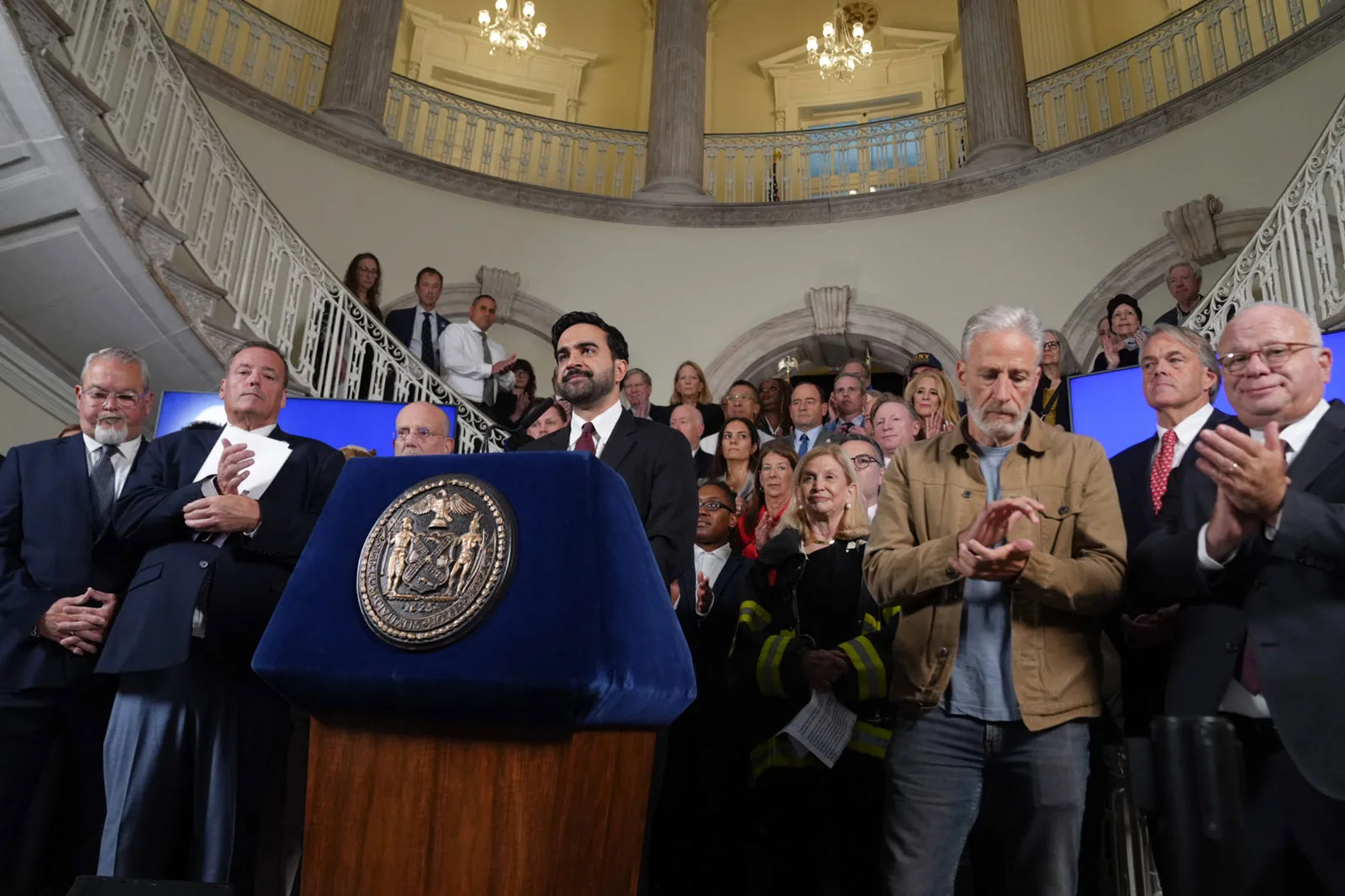
Mayor Zohran Kwame Mamdani said the city owes families, survivors and first responders transparency and accountability. Corporation Counsel Steven Banks said the records were essential to understanding the city government’s actions and decisions after the attacks.
The city plans regular updates over the next year
The city says the portal will not be a one-time release. Officials expect it to grow over the next 12 months as the Law Department reviews more records and removes personal information where needed.
That review process is expected to bring substantially more documents into public view in the coming year. The city said it will continue to add material as it is cleared for release.
Mayor Mamdani’s FY27 budget includes $34 million for building and maintaining the records portal. City officials framed that funding as part of a long-term effort rather than a short-term document dump.
New staff will help New Yorkers seek benefits and records
Alongside the portal, the Mamdani administration said it will assign dedicated personnel at the Department of Citywide Administrative Services and New York City Public Schools. Their job will be to help New Yorkers retrieve records that can establish whether they were in the New York City Exposure Zone.
That documentation can be important for people seeking aid through two federal programs created under the Zadroga Act: the World Trade Center Health Program and the September 11th Victim Compensation Fund.
The administration said it will also work to increase participation in both programs for responders and survivors. Officials described the effort as a practical way to connect records access with benefits and medical assistance.
Lawmakers and advocates call the release overdue
Several officials welcomed the move, calling it long overdue. Rep. Jerry Nadler said the files show how the city handled warnings about toxins in the air and accused former Mayor Rudy Giuliani’s administration of hiding the truth.
Gale A. Brewer, a New York City Council member, said New Yorkers deserve to know what their government knew, when it knew it and what decisions were made. She said the portal is an important first step toward making that history public.
Manhattan Borough President Brad Hoylman-Sigal also praised the release, saying tens of thousands of first responders were exposed to toxic dust and smoke and still face long-term health consequences. Former Rep. Carolyn Maloney said the records can help survivors prove their presence in the Exposure Zone and secure benefits they are owed.