



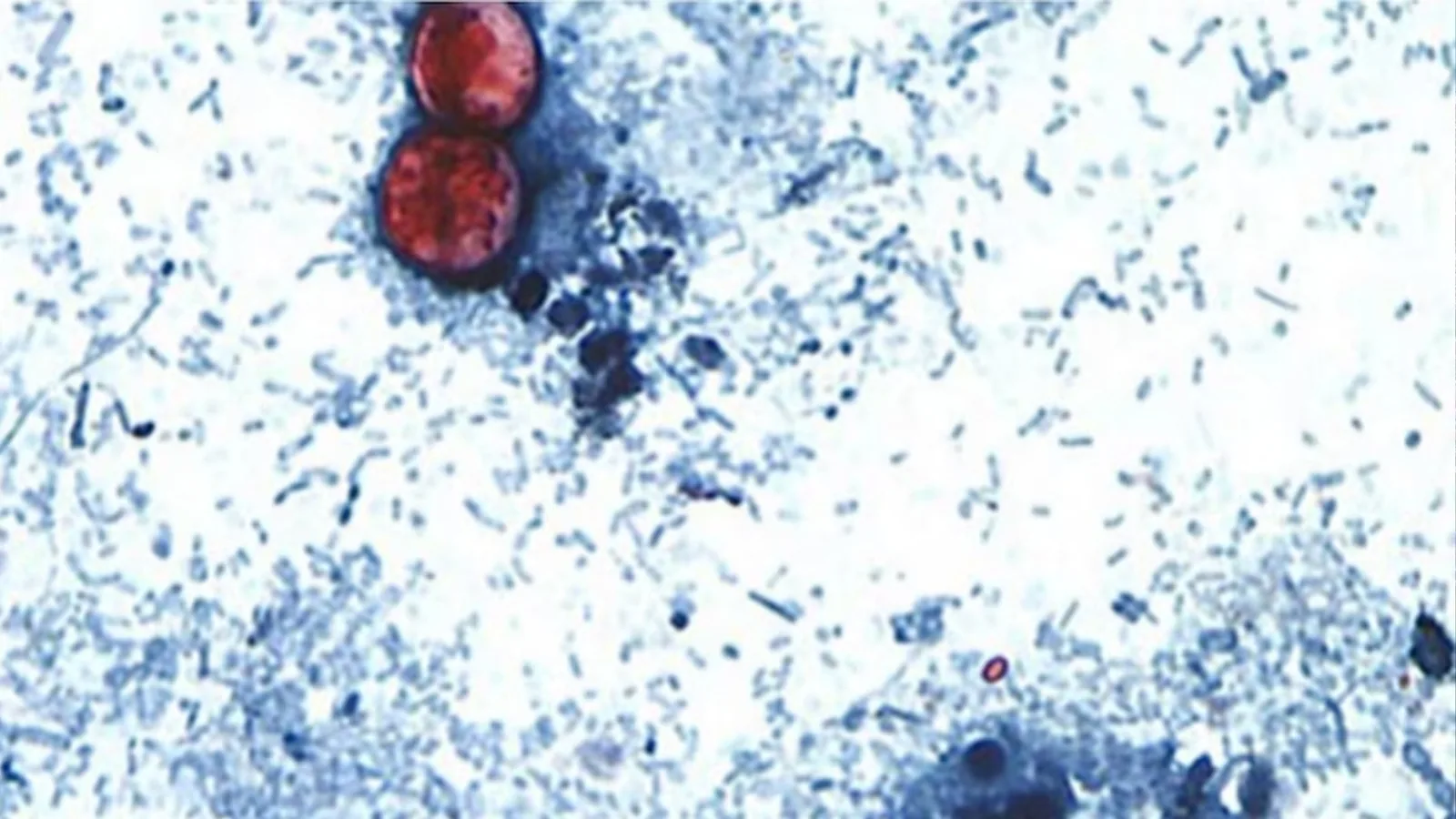
LANSING, MI — Health officials in Michigan are still trying to pinpoint what is behind a growing cyclosporiasis outbreak that has now reached nearly 1,000 confirmed cases. The intestinal illness, caused by a parasite, has sickened residents across the state since late June and has led to at least 36 hospitalizations.
The Michigan Department of Health and Human Services said Wednesday that 992 cases have been confirmed since June 22. That is far above the state’s usual pattern, since Michigan typically sees about 50 cases in a year. Health leaders say the outbreak is unusual both for its size and for how long it has continued without a confirmed source.
What cyclosporiasis is and how it spreads
Cyclosporiasis is a parasitic infection that affects the intestines. The Centers for Disease Control and Prevention says it usually spreads when a person eats food or drinks water contaminated with feces.
Officials have said the working assumption in Michigan is that contaminated produce may be involved. The CDC notes that past foodborne outbreaks have been tied to imported fresh items such as raspberries, basil, snow peas, mesclun lettuce and cilantro. Even so, Michigan health officials have not identified any specific produce, grower or supplier connected to this outbreak.
No single food or supplier has been named
One of the biggest challenges in the investigation is that health officials have not yet found a common source shared by the patients. The state health department said Wednesday that no particular type of produce has been linked to the cases.
That leaves investigators with a broad field to examine, from distribution chains to possible contamination points. Dr. Natasha Bagdasarian, Michigan’s chief medical executive, told ABC News earlier this week that the department’s current hypothesis points toward produce, but officials have not been able to narrow the outbreak further.
Until that happens, health officials are urging caution rather than speculation. The state says the outbreak remains under active review while investigators work to determine where the parasite entered the food supply.
Hospitalizations add to concern as case count climbs
Although many people recover without severe complications, the outbreak has already sent at least 36 people to the hospital. The number underscores the impact of an illness that can range from uncomfortable to debilitating.
The CDC says symptoms can include explosive watery diarrhea, cramping, bloating, low-grade fever, nausea and vomiting. Some people may not notice symptoms at all, which can make it harder to know when an infection has occurred and when it has spread through a community.
Health officials also note that the illness can be difficult to recognize because its symptoms resemble other gastrointestinal bugs. That delay can make diagnosis and outbreak tracking more complicated.
Cases are appearing beyond Michigan
Michigan is the hardest hit state so far, but it is not the only one reporting infections. Neighboring Ohio has reported 177 cases, according to that state’s health department.
The CDC said it has detected 145 additional cases in 17 states since May 1, not counting Michigan. No deaths have been reported in connection with the outbreak.
Those numbers suggest the problem is not confined to one region, even though Michigan remains the center of the investigation. Public health officials are watching for patterns that could connect the cases across state lines.
What patients should watch for now
The CDC says the time between infection and illness is usually about a week, though symptoms can begin as soon as two days after exposure or take as long as two weeks to appear. That window can make it difficult for people to match their symptoms with a possible source.
Officials say adults and children alike can be affected. The CDC reports that patients in the current outbreak range in age from 5 to 86, and 61% of the cases are female.
Michigan health officials are asking anyone with sudden or ongoing gastrointestinal illness to contact a health care provider and their local health department. They say that guidance is especially important when symptoms do not improve or when several people in the same household become sick.