OTTAWA COUNTY, MI — Two Ottawa County food and agricultural businesses are preparing to grow after receiving nearly $200,000 in state grant funding from the Michigan Department of Agriculture and Rural Development. Big Bear Honey LLC in Zeeland and Gavin Orchards LLC in Coopersville were among the recipients in a $2.3 million statewide program focused on helping independent producers overcome bottlenecks in processing and distribution.
The grants are intended to help smaller food companies invest in equipment, build capacity and move products more efficiently through regional supply chains. In Ottawa County, the money is expected to support new hiring as well as new production tools that business leaders say are essential for keeping up with demand.
Big Bear Honey plans automated filling line in Zeeland
Big Bear Honey will receive $100,000 to install an automated filling and packaging line at its Zeeland operation. Company co-founder Kelly Bonnema said the investment will help the business raise production capacity while buying more honey from Michigan beekeepers as the company expands.
The project is expected to create four full-time jobs and two part-time positions. Bonnema said the timing matters because more consumers are choosing honey as a natural sweetener, creating what she described as a strong opportunity for Michigan agriculture and Michigan-made products.
She also said the grant should help the business reach customers beyond West Michigan. The new equipment is meant to make it easier for the company to scale up and take its product to a broader market.
Gavin Orchards adds fruit sorting technology in Coopersville
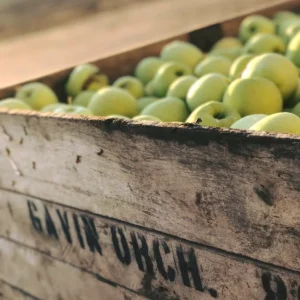
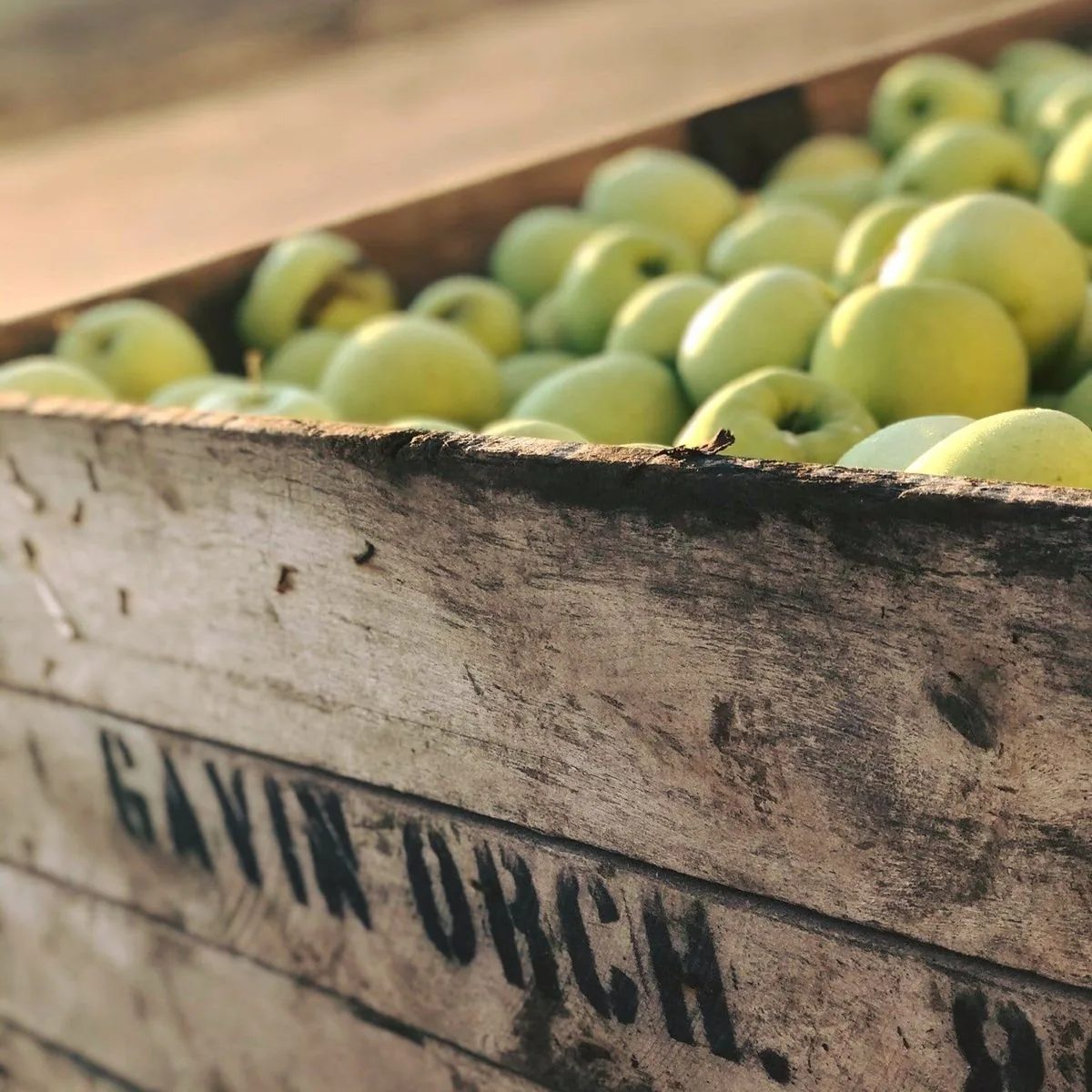
Gavin Orchards in Coopersville was awarded $99,347 to purchase a multi-camera optical sorting and sizing machine. The equipment will automate fruit grading, reduce waste and improve the company’s ability to process its products more efficiently.
The orchards business expects the upgrade to create 22 full-time jobs and nine part-time positions. The new system is part of a broader push by the state to back food and agriculture operations that can grow when they have better access to modern processing technology.
State officials said the funding supports regional food systems by removing some of the practical obstacles that can slow down independent growers and processors. For Gavin Orchards, that means replacing some manual work with a machine designed to handle sorting at a larger scale.
State officials say the grants are meant to strengthen supply chains
The grants were distributed through MDARD’s Underserved, Value-Added, Regional Food Systems and Supply Chain Grant program. State officials say the goal is to strengthen regional supply chains and address processing hurdles that often limit how far small producers can go on their own.
MDARD Director Tim Boring said smart investments in food and agriculture systems can support business growth, stronger communities and a better quality of life for Michiganders. The state framed the awards as part of a larger economic strategy, not just one-off business aid.
By backing equipment purchases and production upgrades, the program is designed to help businesses move from local or regional demand toward broader retail opportunities. That can be especially important for companies that do not have the same resources as larger agricultural operations.
Why co-packers can hold small food businesses back
For many smaller food companies, the biggest obstacle is not demand but access to commercial co-packers, or contract manufacturers that bottle, package and label products for sale. Those facilities often require minimum production runs that can be too large for growing businesses to manage.
Sarah Sherman, vice president and director of operations at Grand Rapids-based BLiS Gourmet, said those minimums can be a major deterrent. Her company also received a $100,000 MDARD grant to expand bottling capacity, and she said the need for outside packers had become hard to sustain as freight costs rose.
BLiS Gourmet had been shipping ingredients to co-packers in Michigan and Louisiana, but Sherman said the model was no longer practical. She and other producers in similar positions are choosing to bring more processing in-house so they can control costs and keep growing.
Trade-show connection shows how small producers share the same hurdles
Sherman said she met the Big Bear Honey team at a trade show in New York last year, where both businesses discovered they were dealing with nearly identical problems. Even though they work in different parts of the food industry, both were confronting the same challenge of finding affordable ways to package products at a smaller scale.
That connection helped underline how common the issue is among independent producers. Sherman said that for many businesses, the solution is to invest in their own equipment rather than rely on outside processors that may not fit their production size or budget.
She said that moving forward without waiting for perfect conditions became the practical choice. Both companies, she noted, decided they simply had to proceed with in-house processing plans, grant or no grant.
Ottawa County’s small businesses often learn about aid by word of mouth
In Ottawa County, where agriculture remains a major part of the local economy alongside heavy manufacturing, the grants arrive at a time when businesses are dealing with shipping costs and tight labor markets. Sherman said those pressures can hit small operations especially hard because they lack the staff and infrastructure that larger corporations use to pursue funding opportunities.
She said small businesses often learn about state grants through regional trade networks and informal conversations rather than through dedicated grant staff. That can mean some eligible companies never even apply for programs that could help them expand.
For that reason, the new awards may do more than finance two projects. They also highlight how local producers are trying to keep up with growth while navigating the practical realities of modern food processing.