

FLINT, MI — A free community event in Flint brought attention to lifestyle medicine and how practical daily habits may help people prevent and manage chronic disease. Called “Flourishing in Flint,” the gathering centered on the idea that small, realistic changes can make a difference for residents trying to improve their health.
Organizers framed the event around the six pillars of lifestyle medicine, which include healthy eating, physical activity, sleep and stress management. The event also included healthy vendors, a cooking demonstration, free stress screenings and giveaways, giving attendees both information and hands-on examples they could take home.
Six pillars of lifestyle medicine guide the event
Organizers said the event was designed to show how lifestyle medicine can fit into everyday life. Rather than presenting health changes as a long list of difficult goals, they focused on habits people can begin building in small steps. That message was at the center of the Flint event and shaped the activities offered throughout the day.
The six pillars highlighted by organizers were healthy eating, regular physical activity, better sleep, stress management and other habits that support overall wellness. The goal was to help residents better understand how those pieces work together when someone is trying to live with or lower the risk of chronic disease. The event emphasized that health improvement does not have to start with dramatic changes.
Dr. Kimberly Miller says small goals can feel more doable
Clinical health psychologist Dr. Kimberly Miller said the approach is meant to make healthy change feel more realistic for patients. She described the value of breaking big goals into smaller, manageable pieces so they seem less overwhelming.
“One of the things that we try to deal with our patients is we break down these big, heartly goals of improving our lifestyle into chunks that feel achievable and doable for us,” Miller said. Her comments reflected the event’s broader message: people are more likely to build lasting habits when the first steps feel possible.
Cooking demonstrations and vendors gave residents practical ideas
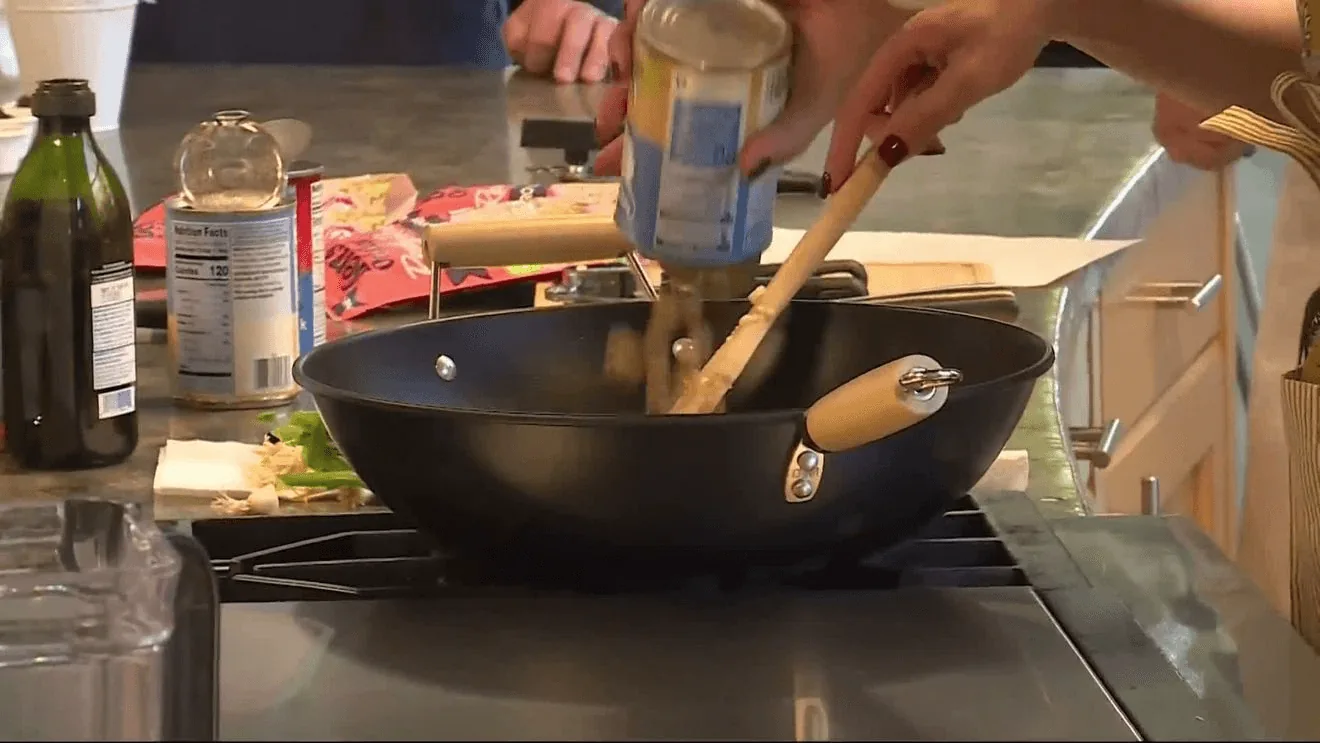
Along with health information, the event offered examples residents could use right away. A cooking demonstration showed how healthy eating can be part of an everyday routine, while vendors connected attendees with lifestyle-related resources and products. The setup was meant to make the advice feel concrete instead of abstract.
Free stress screenings added another layer to the event by giving people a chance to check in on one of the major areas tied to chronic health. Giveaways helped round out the day and encouraged attendance. By combining education with interactive activities, organizers aimed to make the event welcoming and useful for a broad range of people.
Why lifestyle medicine matters for chronic disease management
Lifestyle medicine is built on the idea that daily choices can help influence long-term health. For people already living with chronic disease, organizers said, habits such as better nutrition, more movement and stronger stress control can support treatment and day-to-day management. The Flint event used that message as a way to connect health education with practical action.
The focus on realistic steps was also meant to make the subject less intimidating. Instead of expecting residents to change everything at once, the event encouraged gradual progress. That approach can be especially important for people who are juggling work, family responsibilities and health concerns at the same time.
Community-focused health outreach was free and open to residents
Because the event was free, organizers opened the door for more residents to take part and learn about lifestyle medicine without a financial barrier. That access was part of the event’s community-minded purpose and reflected an effort to reach people where they are.
By combining education, screenings and demonstrations, “Flourishing in Flint” offered a local example of how health outreach can move beyond clinic walls. The event gave residents a chance to see how the six pillars of lifestyle medicine can be applied in practical, everyday ways while keeping the emphasis on achievable change.