NEW YORK, NY — Susan G. Komen is preparing to bring thousands of people together in Lower Manhattan for its 2026 Greater New York City Race for the Cure, a fundraising walk centered on breast cancer support, research and awareness. The event is scheduled for Saturday, Oct. 24, at Foley Square.
Organizers say the gathering will unite survivors, people living with metastatic breast cancer, family members and supporters for a day focused on action and community. The nonprofit says the walk is designed to generate money for lifesaving research, patient services and advocacy while also drawing attention to the ongoing burden breast cancer places on families across New York and the United States.
Why Komen says the event still matters
Komen said breast cancer remains a major public health issue nationwide. The organization says someone in the United States hears a breast cancer diagnosis about every two minutes, and someone dies from the disease nearly every 12 minutes.
The nonprofit also points to a troubling trend among younger women. Diagnoses in women under 50 are increasing, adding urgency to efforts aimed at earlier detection, stronger research and better access to treatment.
In New York alone, Komen estimates that 19,010 people will be diagnosed with breast cancer in 2026, and 1,920 will die from it. The group says those numbers underscore why fundraising and education remain central to its work.
A fundraising goal of $770,000 for 2026
This year, Komen says it hopes to raise $770,000 through the Greater New York City Race for the Cure. Money from the event is intended to support research, patient care, education and advocacy programs that help improve outcomes for people facing breast cancer.
According to the organization, every registration and donation helps fund efforts that can make treatment more accessible and more effective. The money is also meant to support public policy work and other measures that aim to reduce barriers to care for patients and families.
Komen has framed the event as both a community gathering and a practical effort to fuel services that can help people at different stages of the disease.
How Komen says patient support is already reaching New Yorkers
The nonprofit highlighted several ways its services reached people in New York during fiscal 2026. More than 5 million people turned to Komen’s breast health and breast cancer information during that period to help guide health decisions.
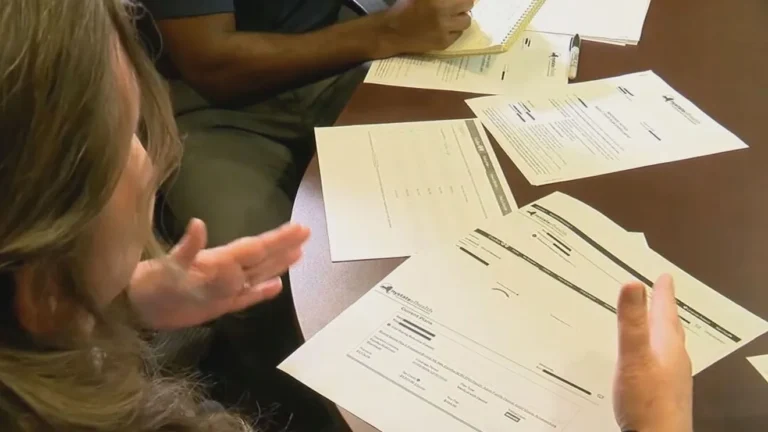
Komen’s Patient Care Center provided 777 patient navigation services to 482 people across New York. The organization says those navigators help patients deal with financial, logistical and systemic problems that can delay care or make treatment harder to complete.
Through its Financial Assistance Program, 536 people in New York undergoing breast cancer treatment or living with metastatic breast cancer received $265,800 in direct help for urgent needs.
Navigators help with rent, food, travel and other barriers
Komen says its patient navigators do more than answer questions. They also help connect people with resources that can cover transportation, housing, food, medical bills and other practical costs that can come with treatment.
Last year, those navigators responded to more than 9,000 financial assistance inquiries and secured nearly $3 million from 230 outside sources. The organization said that support helped patients access critical help at moments when timing and stability can matter just as much as medical treatment.
The nonprofit has presented this work as part of a broader effort to keep patients from falling through gaps in the system while they are trying to manage a serious illness.
Breast honesty and better screening remain part of the message
Along with the walk, Komen is promoting what it calls Breast Honesty, an effort to encourage open conversations about breast health. The organization says people should understand their personal risk, stay current on screening and rely on accurate, evidence-based information when making health decisions.
That message is aimed at helping people talk more openly with doctors and family members about symptoms, screening and prevention. Komen says better information can lead to earlier action and, in some cases, better outcomes.
The group says education remains important even as treatment advances continue, because some patients still face delays, unequal access and other obstacles to care.
Walk details, local sponsors and national backing
The 2026 Greater New York City Race for the Cure is set for 9:15 a.m. on Oct. 24 at Foley Square. Registration is available through Komen’s website, and the event will be supported locally by sponsors including Nature’s Bounty, Pfizer, Prime Prometics, CBS News New York, iHeartRadio and the New York Post.
Bank of America is the national presenting sponsor for the MORE THAN PINK Walk and Race for the Cure events. Natera is the national premier sponsor, and Daiichi Sankyo, Guardant Health, Lilly and Novartis are national series sponsors.
Komen says the event’s purpose is larger than a single morning walk. It is meant to strengthen research, expand services and rally the New York community around people affected by breast cancer.