

ROCHESTER, NY — Rochester Regional Health says it is starting to see the effects of changes to New York’s Essential Plan as more patients arrive without coverage and are treated as self-pay. The health system said the shift became noticeable in July and August, a few months after federal changes forced roughly 450,000 New Yorkers out of the state program.
In the Rochester and Finger Lakes region, about 26,000 people were affected by the July 1 transition, according to data from the Healthcare Association of New York State. State figures released in late August showed 59% of those people had enrolled in other coverage, while 41% had not signed up for a new plan through the state marketplace.
Rochester hospitals report a rise in self-pay visits
Rochester Regional Health said the increase has not looked the same across every hospital in its system, but it did see “a notable increase” in self-pay patients at some facilities compared with the same months last year. That means more people are showing up for care without active insurance, at least at the point of service.
The health system said it is still too early to measure the full impact. Even so, administrators say the early trend is important because it suggests some patients are falling through the cracks after the coverage change and may be waiting until they are already worried about cost before reaching out for help.
Confusion is keeping some patients from following up
Elisabeth Benjamin of the Community Service Society of New York said the organization is hearing a lot of anxiety from people trying to understand what happened to their health insurance. She called the situation unusual because many consumers lose or change coverage at the end of a calendar year, not in the middle of it.
Benjamin said the affected group includes many younger workers, people with part-time jobs and others who do not get insurance through an employer. She pointed to retail workers, Uber drivers, food delivery workers and other service employees as examples of people who may now be trying to figure out what coverage they can afford, if any.
Even new plans can still be hard to afford
For people who were able to move into another plan, the financial burden can still be significant. Benjamin said some consumers are now paying premiums that take a substantial share of their income, while also facing deductibles and other out-of-pocket costs that make the insurance difficult to use in everyday life.
She said some people are choosing bronze plans with monthly premiums but deductibles of $4,000 to $6,000, leaving them with coverage that may not help until they face a major medical event. In her view, many consumers are discovering that simply having a policy does not mean they can comfortably afford to use it.
Financial counselors try to keep care on track
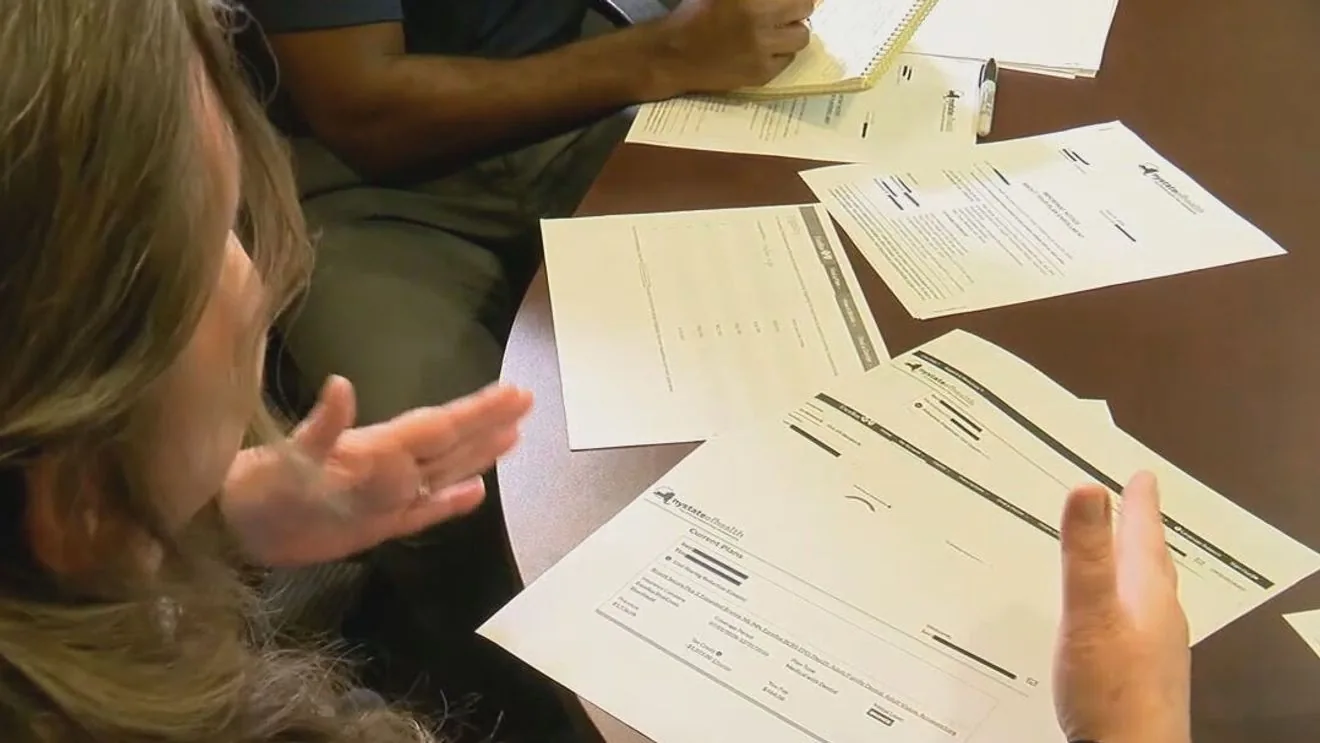
At Rochester Regional Health, financial counseling staff are helping patients review coverage options, apply for Qualified Health Plans, Essential Plan coverage and Medicaid, and connect with internal and outside resources. Amy Armstrong, the system’s director of financial counseling, said some patients who once had low co-pays are now facing deductibles they cannot manage.
Armstrong said the health system does not want confusion about insurance to keep people from seeing a doctor, filling prescriptions or getting preventive services such as mammograms and dental cleanings. She said RRH also links patients with pharmacists who may be able to find lower-cost prescription options and with financial assistance programs that can help with out-of-pocket expenses.
Health systems worry about delayed care and higher costs
RRH said its counselors received lists from the state identifying patients who had previously been helped and were expected to be affected by the changes. Armstrong said the system directly contacted between 30% and 35% of those patients in an effort to help them enroll in another plan.
She said the bigger concern is that people who get a notice saying they no longer qualify may simply stop seeking care. Hospitals are required to treat patients regardless of insurance status, and Armstrong said self-pay patients can receive the same care when they arrive. But she also warned that skipping routine care can lead to more emergency visits, longer hospital stays and added strain on the health system.
Community clinics and patients are still adapting
Benjamin said federally qualified health centers such as Jordan Health and Trillium Health are also feeling the pressure because they serve as a safety net for people with few other options. Those clinics operate on very thin margins, she said, and they are now seeing more people who are uninsured.
RRH said it will keep monitoring the situation and working with other agencies across Rochester and the Finger Lakes region so patients receive consistent information. Armstrong urged people not to delay care and to contact doctors’ offices, social workers or financial case managers for help. Rochester Regional Health financial counselors can be reached at HelpMeApply@rochesterregional.org or (585) 922-1900.