
BRONX, NY — New York City health officials have ordered 10 cooling towers in the South Bronx to be cleaned and disinfected as they continue investigating a community cluster of Legionnaires’ disease. The towers are in ZIP codes 10451 and 10456, and the city says remediation must be completed by Sept. 14, 2026.
The Health Department said it sampled all cooling towers in the investigation within 12 hours of identifying the cluster. Preliminary PCR testing was finished by Sept. 12, and the clean-and-disinfect orders were issued that same day after the towers tested positive for Legionella bacteria DNA.
Where the positive cooling towers are located
The 10 towers under order are at 820 Concourse Village West; 234 E. 149th Street; 1 E. 161st Street; 470 E. 161st Street; 1265 Franklin Avenue; 567 Melrose Avenue; 3339 Park Avenue; 1160 Teller Avenue; 890 Washington Avenue; and 1085 Washington Avenue.
City officials said the buildings are all within the South Bronx area under investigation. The department noted that the positive PCR result shows the presence of Legionella DNA, but it does not prove the bacteria are alive or confirm that any tower is the exposure source.
Only live Legionella bacteria can cause illness, which is why culture testing is still underway. Those results can take up to two weeks, and officials said the extra remediation step is meant to reduce the risk of exposure while that testing continues.
Why the city is acting before final culture results
Health officials explained that PCR testing is an early screening tool. It can identify Legionella bacteria DNA, but it cannot tell whether the bacteria are still alive or whether a cooling tower actually caused the cluster.
Because of that uncertainty, the department is requiring any tower with a positive PCR result to undergo a full remediation, including draining, cleaning and disinfection. Officials said the measure is meant to limit the chance of continued exposure while the investigation develops.
The department has tested 24 cooling towers so far in the investigation and said it will inspect any tower that tests positive to review compliance with local laws and regulations.
Some towers were not up to date on required testing
Eight of the 10 towers with positive PCR results were compliant with the city’s 31-day testing requirement, which took effect on May 8, 2026. Two of the buildings did not provide the testing information required by the city.
Those properties are 820 Concourse Village West and 1265 Franklin Avenue. The Health Department did not say in the notice that the lack of testing information caused the positive results, but it said the buildings were missing the required records.
Citywide, 82% of cooling tower systems are in compliance with the monthly testing rule. Since the May 8 start date, the department has conducted more than 900 cooling tower inspections, and more than $111,000 in fines had been paid as of Sept. 5, 2026.
Residents in Melrose and Morrisania urged to watch for symptoms
The investigation began on Sept. 10 after officials identified a cluster of cases in Melrose and Morrisania, neighborhoods in ZIP codes 10451 and 10456. The Health Department said anyone who lives, works or has visited the area since late August and then develops flu-like symptoms should contact a health care provider right away.
As of Sept. 12, nine people had been diagnosed with Legionnaires’ disease in connection with the cluster. Three people were hospitalized, four had been discharged, one did not need hospitalization and one person died.
Community health workers began canvassing the affected neighborhoods on Sept. 11. Since then, officials said they have engaged more than 400 community members, 46 organizations and six community events, while distributing more than 1,100 flyers and palm cards.
What Legionnaires’ disease is and who faces higher risk
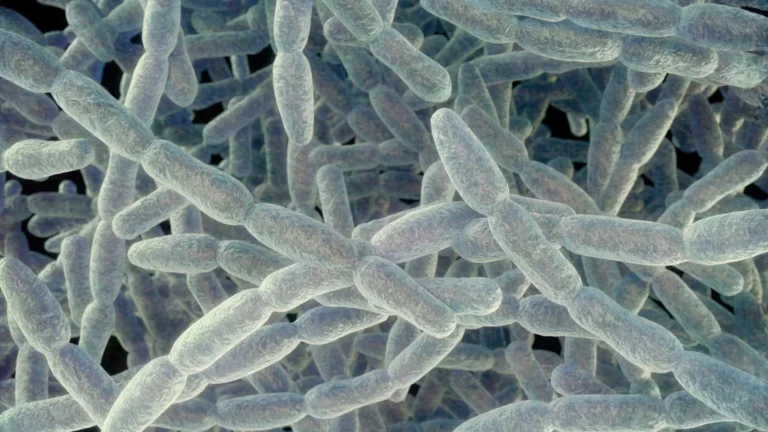
Legionnaires’ disease is a serious form of pneumonia caused by Legionella bacteria, which naturally occur in water. People become sick by breathing in mist that contains live bacteria, and the illness does not spread from person to person.
Symptoms usually appear two to 14 days after exposure and can include fever, chills, muscle aches, shortness of breath and cough. When it is diagnosed early, the disease can be treated with antibiotics.
Officials said people age 50 and older, smokers and vapers, those with chronic lung disease, and people with weakened immune systems or on immune-suppressing medication are at higher risk. Even so, most people exposed to Legionella do not become sick.
What health officials say remains safe in the affected area
The Health Department said it remains safe to use air conditioners and cooling centers in the affected ZIP codes. It also said there is no additional risk from being inside any of the 10 buildings whose cooling towers tested positive in the initial screen.
Officials also said it is safe to shower and drink tap water. They added that cooling towers have been linked to previous community clusters of Legionnaires’ disease because they release water mist into the outside air.
To keep residents informed, the city is sharing updates through social media, press coverage, LinkNYC kiosks, radio stations and NotifyNYC, along with outreach from elected officials and community leaders. A virtual town hall was scheduled for 3 p.m. Sunday, Sept. 13, followed by an in-person town hall at 6 p.m. Tuesday, Sept. 15, at Metropolitan College in the Bronx.