

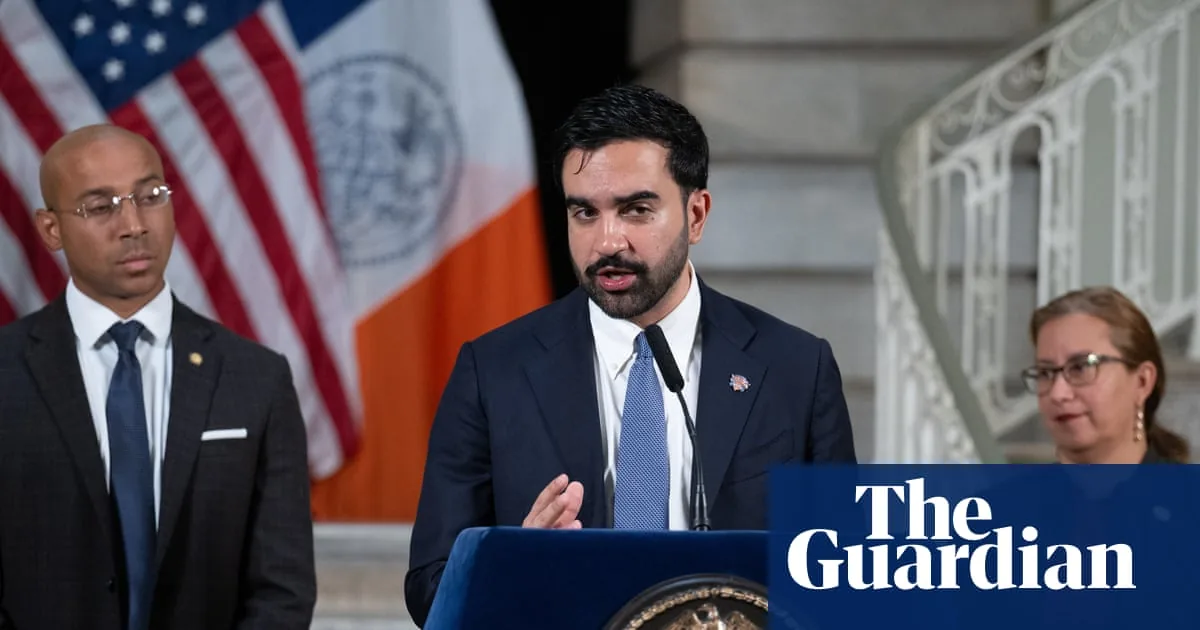
NEW YORK, NY — New York City’s small business owners are getting a major round of relief as Mayor Zohran Mamdani moves to reduce fees, permits and paperwork that many say have long slowed them down. The package, announced this week, includes 50 policy changes intended to ease the cost of doing business for mom-and-pop shops across the five boroughs.
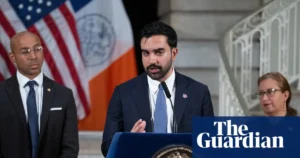
Mamdani unveiled the plan with a video that leaned into the message of cutting through bureaucracy, then followed it with a Bronx press conference laying out the changes. For many owners, the proposal signals a practical shift: fewer extra forms, fewer renewals and less time spent navigating city rules that can feel overwhelming for small operations already working on thin margins.
Bodega, restaurant and barber shop rules face the biggest rollback
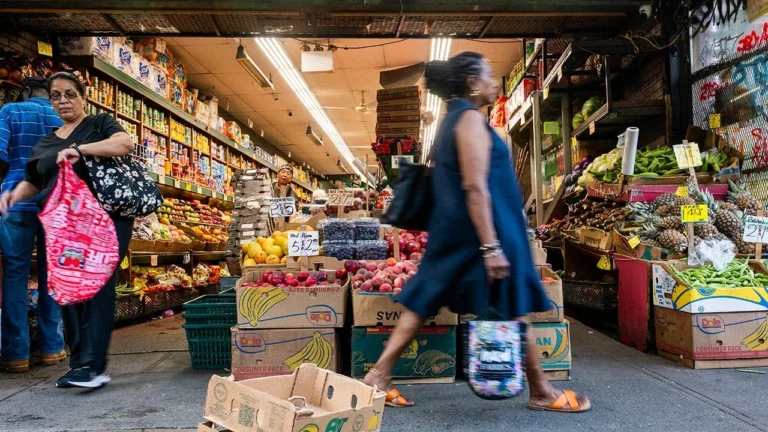
Among the most notable changes, bodega owners will no longer need a separate license just to sell outside the store the same items they already offer inside, such as fruit or flowers. Restaurants will also be spared a frozen dessert permit that city officials described as unnecessary when a business already has permission to serve food.
Barber shops will see another long-standing burden reduced, with permit renewals shifting from every year to every three years. The city is also lowering street fair vendor permit fees, speeding up restaurant inspections and eliminating equipment registration fees for a year. Taken together, the steps are designed to trim recurring expenses and cut waiting time for owners trying to keep their businesses moving.
Expanded Best program gives each small business a city case worker
Along with the regulatory changes, Mamdani signed an executive order expanding NYC Best, a city program meant to help owners sort through municipal systems that can be difficult to manage alone. Under the expanded effort, each of New York City’s 180,000 small businesses will be assigned a case worker.
City officials say those businesses employ an estimated 1 million people, making the program a wide-reaching effort rather than a narrow pilot. The idea is to give owners a direct contact who can help them deal with permits, requirements and other administrative problems. For operators who do not have the time or staff to spend hours on city processes, that kind of support can make a real difference.
Queens café owner says the changes could spare others years of frustration
Dawn Kelly, who owns Nourish Spot in Jamaica, Queens, said she was “over the moon” about the reforms. Kelly opened the business in 2016 with help from Best and said her case worker supported her from the early planning stage through the ribbon-cutting ceremony.
She also described a specific problem that had long bothered her staff: workers from far parts of Queens had to travel to the Upper West Side for a three-day food-handling certificate course because the class was offered at only one city location. Kelly brought that concern to the mayor’s office as part of her work on the city’s Small Business Advisory Commission, and she said she became emotional watching the press conference when officials announced the course would now be offered at multiple locations.
Owners in Brooklyn say small firms need less shakedown and more help
At High Beam Coffee Roastery in Red Hook, co-owner Vicki Forshee said larger companies often appear to get more tax breaks and face less oversight than neighborhood businesses like hers. She said small operators can feel like they must “climb a crazy mountain just to survive,” especially when competing against companies with more resources.
Co-owner Selina Ullrich, who has spent years in the city’s food industry, said inspections can sometimes feel more punitive than helpful. She argued that rules are not always clear or easy to follow, and that businesses are left dealing with requirements “nobody can explain.” For her, the promise of reform matters because it suggests the city may finally be focused on making compliance simpler rather than merely issuing penalties.
The city says the business climate has been getting harder
The new effort comes at a difficult moment for small businesses in New York. A recent city study found that 3,540 businesses opened in the second quarter of 2025, while 8,400 similar-sized businesses closed during the same period. City officials described that as the lowest level of new business formation in five years.
That backdrop helps explain why the mayor’s changes are drawing attention from owners who say they need immediate relief, not long-term promises. Kelly said she now sees Mamdani differently than she once viewed other city leaders, including former Mayor Eric Adams. She said she cares less about labels like socialism than about whether the government helps people feel included and able to succeed together.
Mamdani’s move also challenges the image built by his critics
The reforms stand in contrast to the picture some national conservatives have tried to paint of Mamdani as anti-business. The mayor has been described by critics as part of a broader wave of democratic socialists who are supposedly hostile to private enterprise, yet this package is centered on deregulation and practical help for local shops.
That contrast has drawn notice even from some ideological opponents. Economist JW Mason of John Jay College said the approach fits with a democratic socialist view of government that makes public systems work better for ordinary people. For small business owners, the politics may matter less than the results: fewer hoops to jump through, less time wasted and more room to keep their doors open.