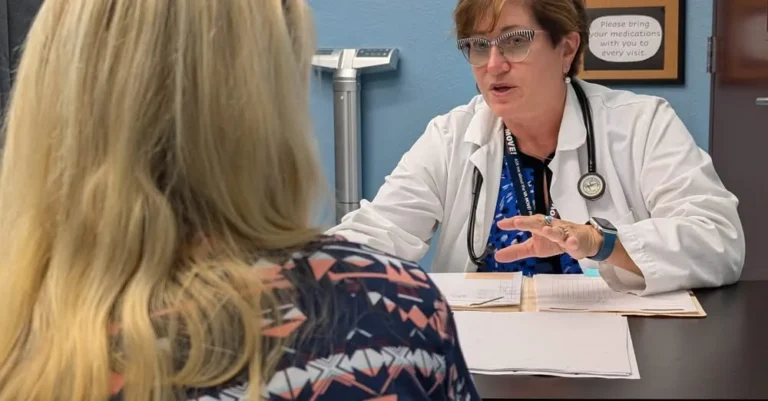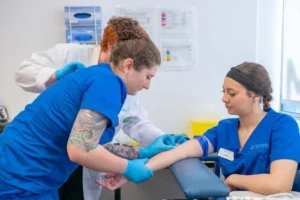


CORUNNA, MI — Three Michigan school districts are trying a different approach to employee health care: a clinic model that removes copays, deductibles and most of the usual insurance friction. At Corunna Plum Health, patients can walk into converted high school classrooms on the district campus and receive primary care at no cost.
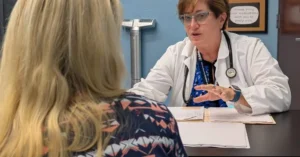
On a recent day, 13 patients came through with problems ranging from poison ivy and pink eye to high blood pressure and anxiety. They also left with nearly $550 worth of medication at no charge. Appointments are set for at least 30 minutes, giving staff time to ask questions and talk through concerns rather than rushing in and out.
How the Corunna clinic fits into a direct primary care model
Corunna Public Schools, along with districts in Lansing and Van Buren, belongs to a consortium that uses Plum Health, a Detroit-based provider of direct primary care. In this model, health care is paid for directly rather than through traditional insurance billing for each visit.
Corunna began paying $90 per month for each of its 255 employees more than two years ago to support a two-day-a-week clinic for workers and their families. The district also pays for heavily discounted prescriptions filled through the clinic, which means patients do not have out-of-pocket drug costs when they use the service.
School leaders say the arrangement is meant to give employees a simple place to go first when health problems come up, especially for families who might otherwise turn to emergency rooms or urgent care.
District leaders see a way to keep ER visits from driving up costs
Superintendent John Fattal said the clinic is attractive because it gives families a place to be seen quickly and have a real conversation with a clinician. He called it a better version of care than the hurried appointments many people have come to expect.
The financial logic is central to the gamble. A trip to the emergency room can easily cost more than $1,000, while urgent care often runs into the hundreds. School leaders believe that if an employee’s child develops strep throat in the middle of the night, or if a parent can get a same-day appointment before things worsen, the district’s health costs may stay lower over time.
That matters because repeated urgent and emergency episodes, multiplied across hundreds of employees and their families, can push overall insurance expenses higher year after year.
Insurance pressures are making direct care look more appealing
The districts are acting in a broader environment of rising costs and shrinking coverage. State data show nearly 131,000 Michiganders dropped insurance on the federal marketplace this year, and more than 80,000 beneficiaries have disappeared from the state’s safety net since January as Medicaid continues to shrink.
At the same time, employers across the country are bracing for major increases. Chicago-based broker Aon projected this month that employer health care costs will rise 9.5% next year, to more than $19,000 per employee on average. Worker costs are expected to climb nearly 8% to $5,297 on average.
Against that backdrop, a no-cost primary care option looks less like a perk and more like a strategy. District officials say it can help employees get care before small problems become expensive ones.
Same-day visits and long appointments are part of the appeal
Plum Health founder Dr. Paul Thomas said the clinics can often see patients the same day they call. That is a sharp contrast with many conventional offices, where the next opening may be more than a week away.
He also noted that direct primary care physicians tend to manage far smaller patient panels than traditional family doctors. A 2024 survey by the American Academy of Family Physicians found direct primary care doctors serve just over 400 patients, compared with about 2,500 patients on average for primary care doctors overall.
That smaller scale lets clinics devote more time to each visit. At Corunna, two new patients were scheduled for 60 minutes, and one person who called at 8 a.m. was out the door by 9:27, medication in hand and ready to head to work.
Employees say the clinic can save families real money
For families covered by traditional insurance, the clinic can reduce the regular out-of-pocket costs that add up through the year. Erika Eiseler, an office manager at Corunna’s Elsa Meyer Elementary School, said her family’s insurance would normally charge a $40 copay for a doctor visit.
She brought her 8-year-old daughter, Leigha, in for a school physical and said the convenience alone was valuable. With several routine appointments and seasonal illnesses each year, she said the savings can quickly become noticeable once visit fees and medications are added together.
Corunna leaders argue the district is effectively putting money back into employees’ pockets while giving them a practical place to get care. The clinic is located on the main campus, which makes it especially easy to use.
Doctors backing the model say it may help the system over time
Dr. Philip Eskew, a direct primary care physician based in South Carolina, said the model allows doctors to spend more time with patients and less time dealing with insurance paperwork. He said the administrative load in conventional medicine often pulls attention away from care itself.
Supporters argue the approach could help attract more doctors into primary care and reduce burnout. Plum Health founder Thomas, who said his experience with street medicine shaped his thinking about affordable care, believes smaller patient loads and better work-life balance may make the field more sustainable for physicians.
Still, there are tradeoffs. When one doctor moves into direct primary care, hundreds of patients may need to find another provider. Even so, Thomas said the clinics are helping both insured and uninsured people right now, whether by lowering cost-sharing or creating access where there was none before.