


NEW YORK, NY — New York City says the 2026 FIFA World Cup generated about $2 billion in economic impact for the five boroughs, according to an analysis shared by Mayor Zohran Mamdani’s office. The city said the tournament also produced a wider $3.5 billion impact across the New York-New Jersey region, exceeding an earlier estimate of $3.3 billion.
Officials said the event brought in major visitor spending and helped local neighborhoods benefit from the tournament, not just the stadium itself. The city’s figures included $1.3 billion in direct visitor and operation spending, along with more business activity at bars, restaurants and other community gathering spots.
Visitor spending drove much of the impact
City officials said the economic boost came from more than matchday ticket sales. Visitors traveled into the region for the World Cup, and their spending reached hotels, food service businesses, retail shops and other local employers.
According to the city, the $2 billion New York City figure included both direct visitor spending and money tied to operations around the tournament. Anthony Shorris, president and CEO of the New York City Economic Development Corporation, said the matches helped turn a global sporting event into an economic win by bringing visitors and spending into neighborhoods across the city.
The city’s statement framed the tournament as a citywide opportunity, with benefits reaching workers and business owners in all five boroughs rather than staying concentrated at MetLife Stadium.
Sports bars saw more customers during the tournament
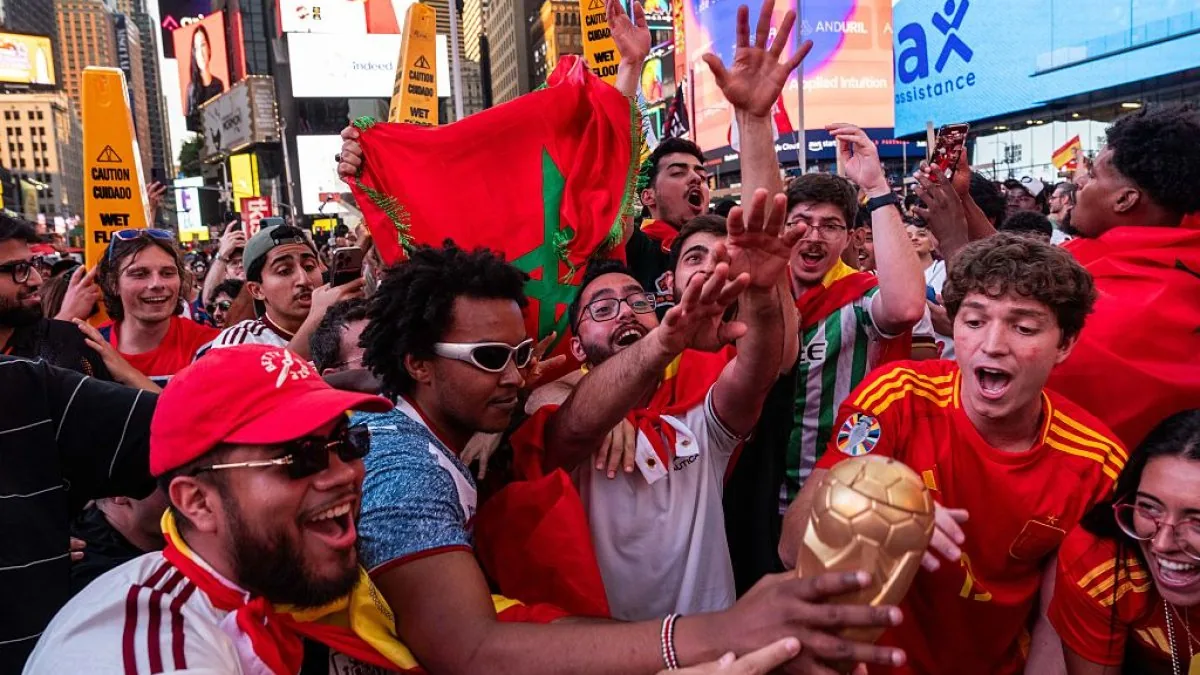
One of the clearest signs of the tournament’s local effect was the increase in traffic at neighborhood businesses. Mayor Mamdani said sports bars in the city saw visitor counts rise by 16% during the World Cup, reflecting strong interest from fans watching matches away from the stadium.
The city said that extra foot traffic helped support bars and restaurants where fans gathered for watch parties and game-day crowds. That activity also spread spending into nearby streets and commercial districts, giving smaller businesses a share of the tournament’s momentum.
Officials said the goal was to push the benefits beyond stadium gates and into local blocks, where everyday businesses could see a direct return from the global event.
City officials say 12,000 jobs were supported
The tournament also supported an estimated 12,000 jobs, according to the city’s Wednesday statement. Those positions were spread across hospitality, food service, retail and related industries that tend to feel a surge when major events bring in large crowds.
City leaders emphasized that the jobs linked to the World Cup were not limited to stadium operations. Workers such as restaurant servers, bartenders, hotel employees and small business staff all played a role in meeting demand from visiting fans.
Mamdani said the event’s benefits reached deli owners, cab drivers and line cooks, describing them as part of the local workforce that welcomed visitors from around the world and helped power the tournament’s economic impact.
The regional total beat earlier projections
Before the tournament, the NY/NJ Host Committee had projected that the eight matches at MetLife Stadium would create about $3.3 billion in regional economic impact, based on analysis from Tourism Economics. The city’s new figures put the final regional impact at $3.5 billion.
That gap suggests the event performed better than expected in terms of overall economic activity. The city did not say in the statement exactly which spending categories accounted for the higher-than-expected total, but it did stress that the matches generated broad visitor activity across the region.
The stronger regional number adds to the city’s argument that major international sports events can produce meaningful financial gains for the surrounding economy when local businesses are included in the planning.
Mamdani and NYCEDC frame the tournament as a neighborhood win
In his statement, Mamdani said the city worked to bring fans into neighborhoods, local bars, restaurants and watch parties so that the tournament’s benefits would reach more residents. He said the result was more than $2 billion flowing through the city’s economy, which he called a win for working New Yorkers.
Shorris echoed that view, saying the matches brought visitors, spending and opportunity to neighborhoods across the five boroughs while also highlighting New York City as a strong place to do business. He said New Yorkers helped turn a global sporting event into a meaningful economic gain for the city.
The city’s message was clear: the World Cup was not only a sports spectacle, but also a local business event that touched workers and owners well beyond the stadium footprint.