

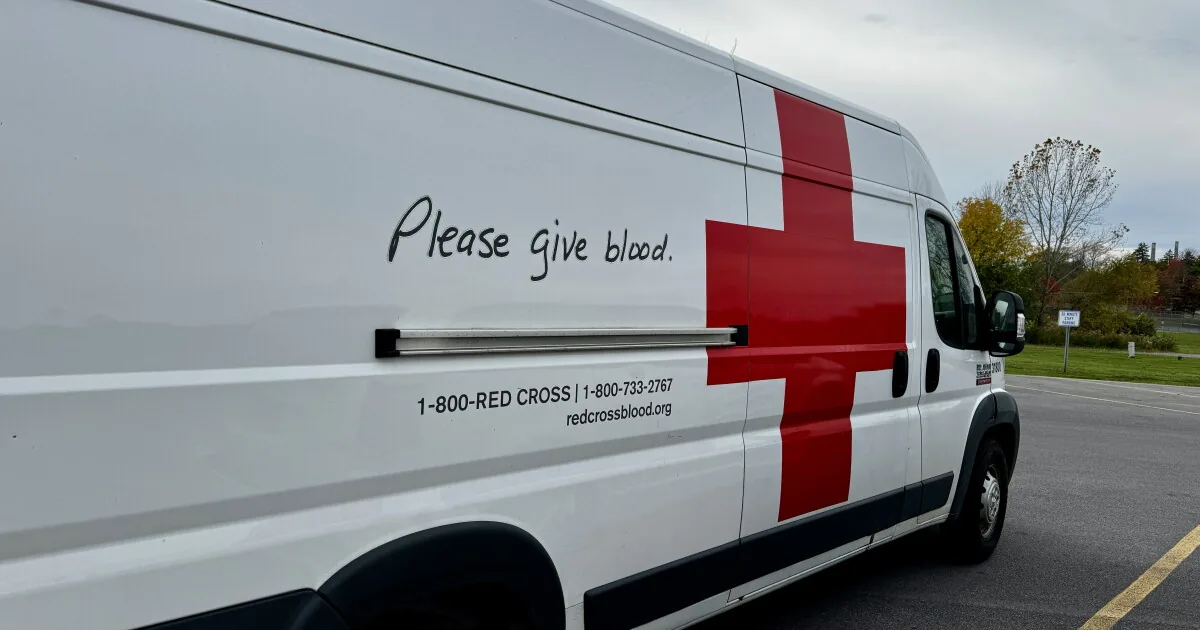
SYRACUSE, NY — A new partnership between the American Red Cross and the U.S. Chamber of Commerce Foundation is giving small business owners a way to judge how ready they are for weather disasters and what they can do before an emergency hits.
The effort combines planning tools with a recovery grant opportunity, aimed at helping businesses move from general concern to concrete preparation. Officials involved in the program say many owners believe they are ready, even when they have not built emergency plans, backed up records or mapped out how they would operate during a power or communications outage.
A readiness check designed for local businesses
Through the American Red Cross Ready Rating Program, business owners can evaluate the risks most likely in their area and use templates to build emergency plans tailored to their operations. The program is meant to help owners think through practical needs before a storm or other disruption creates a crisis.
Jennifer Pipa, vice president of American Red Cross disaster programs, said one of the biggest gaps is that small business owners often think they are prepared without taking the steps that matter most. She pointed to basic measures such as emergency planning, record protection and making sure operations can continue if electricity or communications go down.
The rating tool is intended to turn those broad concerns into a checklist business owners can actually use. That includes identifying vulnerabilities, organizing records and planning for interruptions that could keep a shop, office or service business closed.
How the grant program fits into recovery planning
Owners who complete the Red Cross readiness process can then enroll in the U.S. Chamber of Commerce Foundation’s Readiness for Resiliency Program. That program offers $5,000 recovery grants, creating a direct financial incentive for businesses to take planning seriously before disaster strikes.
Rob Glenn, vice president of global resilience at the foundation, said the money alone is not the full answer. The larger goal is to make sure businesses have already taken steps that will help them recover faster when an emergency disrupts daily operations.
He said the work done ahead of time can make getting through a disaster much easier. The program is designed to reward preparation while also encouraging owners to think about resilience as part of normal business planning, not just as an afterthought once damage has already occurred.
Why small businesses often fall behind on preparedness
Officials say the challenge is not that owners ignore the risk of disasters. More often, they face the same two barriers again and again: cost and time.
Glenn said those concerns frequently keep businesses from making a plan, even though the consequences of being unprepared can be serious. Many owners feel they are too busy to take on another task, or they assume preparing for disaster is too expensive for a small operation.
The partnership is meant to lower that barrier by giving owners ready-made tools and a possible source of recovery support. That approach recognizes that preparedness is often easier when businesses do not have to start from scratch.
A reminder of how many jobs are at stake
Glenn said the scale of the small business community in the Syracuse area makes preparedness especially important. He said there are roughly 93,000 small businesses in the region, and they employ more than 164,000 people.
That means a disruption affecting one storefront, office or service provider can ripple beyond a single owner. Workers, customers and suppliers can all feel the impact if a business is unable to reopen quickly after a weather event or other emergency.
By connecting readiness planning to recovery grants, the program aims to help businesses protect not only their own operations but also the local jobs and services tied to them. The emphasis is on helping owners think ahead before a disaster forces difficult decisions.
What business owners can do next
The program’s message is straightforward: assess the risks, build a plan and be ready to act before a storm or other emergency arrives. The Red Cross tools are available first, followed by the Chamber Foundation’s resiliency grant opportunity for those who complete the process.
For small business owners, that could mean starting with basic questions about backups, communication, staffing and continuity. The two organizations hope the combined effort will make preparedness feel less abstract and more manageable for companies that may not have large staff or extra resources.
In practice, the partnership turns disaster planning into something more concrete. Instead of waiting until damage occurs, owners can use the programs to think through how they would protect records, keep in touch and reopen more quickly after a disruption.