



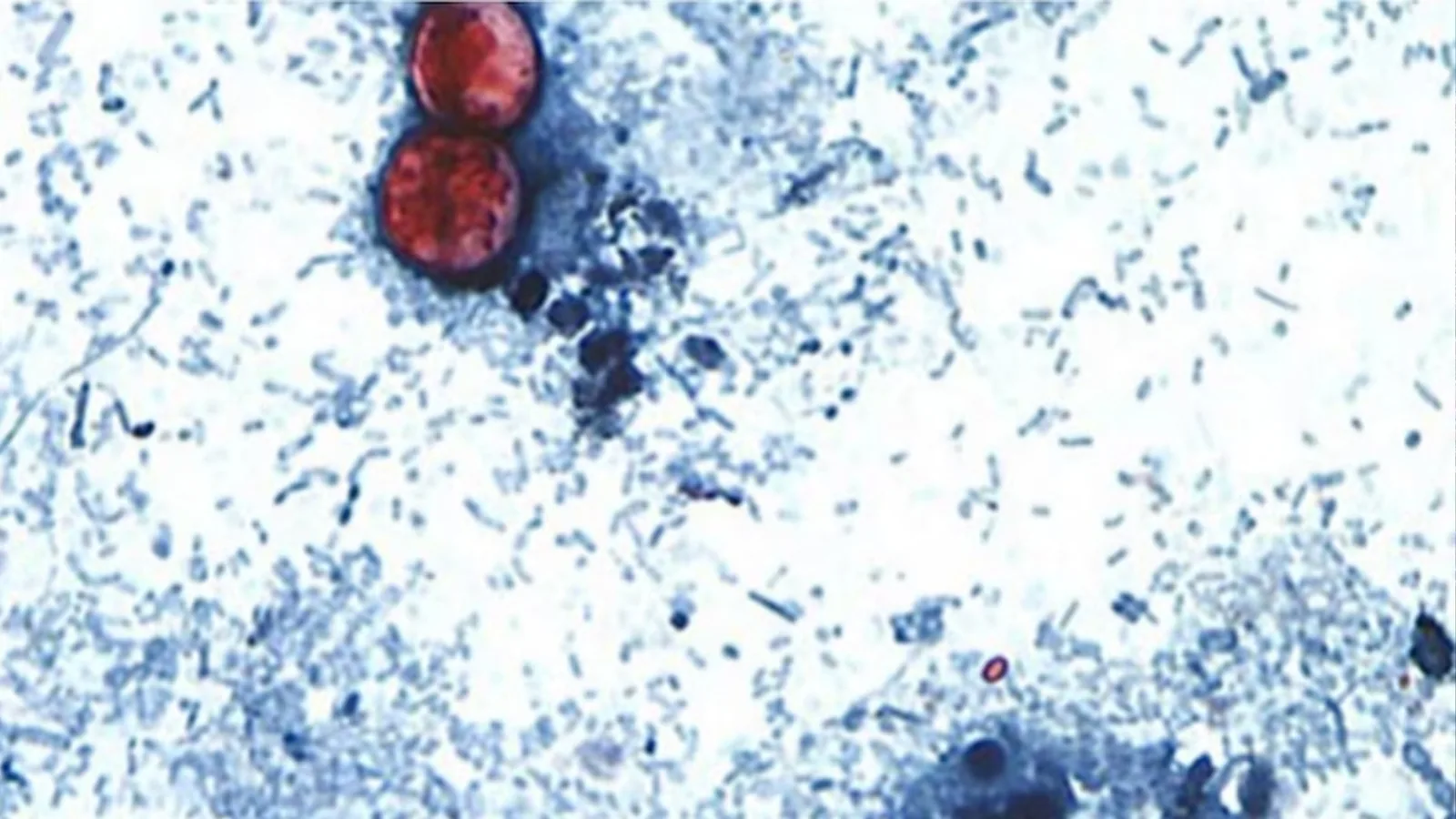
LANSING, MI — Reported cyclosporiasis cases in Michigan are now nearing 1,000, and state health officials say they still have not identified what is driving the outbreak. The illness is caused by a parasite that can spread through contaminated food or water, and investigators have been looking for a common exposure since late June.
At least 992 cases had been confirmed as of Wednesday, according to the Michigan Department of Health and Human Services. Health officials also said at least 36 people have been hospitalized. That is far above the usual number for the state, which sees about 50 cyclosporiasis cases in a typical year.
What Michigan health officials know so far
Dr. Natasha Bagdasarian, Michigan’s chief medical executive, said the working theory is that contaminated produce may be involved. That idea fits with past outbreaks, which the Centers for Disease Control and Prevention has linked to imported fresh produce such as raspberries, basil, snow peas, mesclun lettuce and cilantro.
Even so, state officials emphasized that no specific produce, grower, supplier or exact source has been identified. The investigation remains open, and health officials have not said whether one product or several different items may be connected.
Why the illness can be difficult to trace
Cyclosporiasis is an intestinal illness caused by a parasite, and the CDC says it usually spreads when food or water becomes contaminated with feces. Symptoms can take time to appear, which can make it harder for patients to connect what they ate with how they feel later.
The CDC says the usual incubation period is about one week, though symptoms can begin as soon as two days after infection or as late as two weeks. That delay can complicate public health investigations, especially when people eat many different foods over several days.
Symptoms patients and doctors are watching for
Not everyone infected develops symptoms, but when they do appear, the most common complaint is explosive watery diarrhea. Doctors have also said patients may experience cramping, bloating, low-grade fever, nausea and vomiting.
Because those symptoms can overlap with other stomach illnesses, cyclosporiasis can be hard to recognize without testing. Health officials say anyone with sudden or ongoing gastrointestinal illness should contact a health care provider and notify their local health department.
Cases are appearing outside Michigan too
Michigan is not the only state seeing infections. In neighboring Ohio, 177 cases have been reported, according to the state health department there. The CDC said that since May 1, it has detected 145 cases in 17 other states, not including Michigan.
No deaths have been reported in connection with the multistate outbreak. The CDC said the patients range in age from 5 to 86, and 61% are female. Health officials have not said whether the cases in different states are linked to the same food supply chain.
Public health advice while the investigation continues
For now, investigators are still working to pin down the source and prevent more people from getting sick. The state has not announced a recall tied to the outbreak, and officials have not identified a particular farm, distributor or retail product.
Until the source is found, doctors and public health officials are urging people with symptoms to seek medical advice and to report illness promptly. That can help investigators spot patterns faster and may help limit further spread while the case count remains high.