

BIG RAPIDS, MI — Ferris State University is preparing to expand its dental hygiene training as Michigan faces a steep shortage of hygienists and growing pressure on access to oral healthcare. The university already runs the largest Dental Hygiene program in the state and one of the biggest associate degree programs in the country.
Leaders say the goal is not only to train more students, but also to help communities where patients are waiting longer for routine cleanings and preventive care. University officials say a larger program could support a wider workforce pipeline for healthcare fields that remain difficult to staff after the COVID-19 pandemic.
State budget funding opens the door for design work at the allied health building
The planned expansion centers on the Victor F. Spathelf Center for Allied Health, a 47-year-old building that would need major updates to support more students. This year’s state budget provided enough money for Ferris State to begin formal preconstruction, engineering and design work.
If the project receives final approval and full financial backing, the university expects it would renovate 67,000 square feet of the existing building and add another 20,000 square feet. Leaders said the funding marks an important first step, even though the full project is still ahead.
Dean Lincoln Gibbs said the university is grateful for the investment in the College of Health Professions and in future healthcare education. He said the improvements are intended to give students learning spaces that match the quality and innovation of the programs they are preparing to enter.
Michigan’s dental workforce has shrunk sharply since 2020
The need for more training seats is tied to a troubling statewide staffing picture. According to the Michigan Dental Association, nearly one-third of the state’s 10,000 licensed dental hygienists left the profession since 2020 and never came back.
That loss has been hard to replace. Bill Sullivan, the association’s vice president of advocacy and professional affairs, said dental offices are already seeing delays in oral healthcare because people cannot get in for cleanings as quickly as they once could.
A 2026 survey by the American Dental Association Health Policy Institute found 40% of practices do not have enough hygienists. More than nine in 10 said the search for hygienists is very or extremely challenging, underscoring how widespread the shortage has become.
Ferris State says demand for its program keeps growing
Ferris State officials say the university has long been a major source of Michigan’s hygienist workforce. Since 1965, its three-year associate degree program has earned a reputation with dentists for producing graduates who are ready to enter practice.
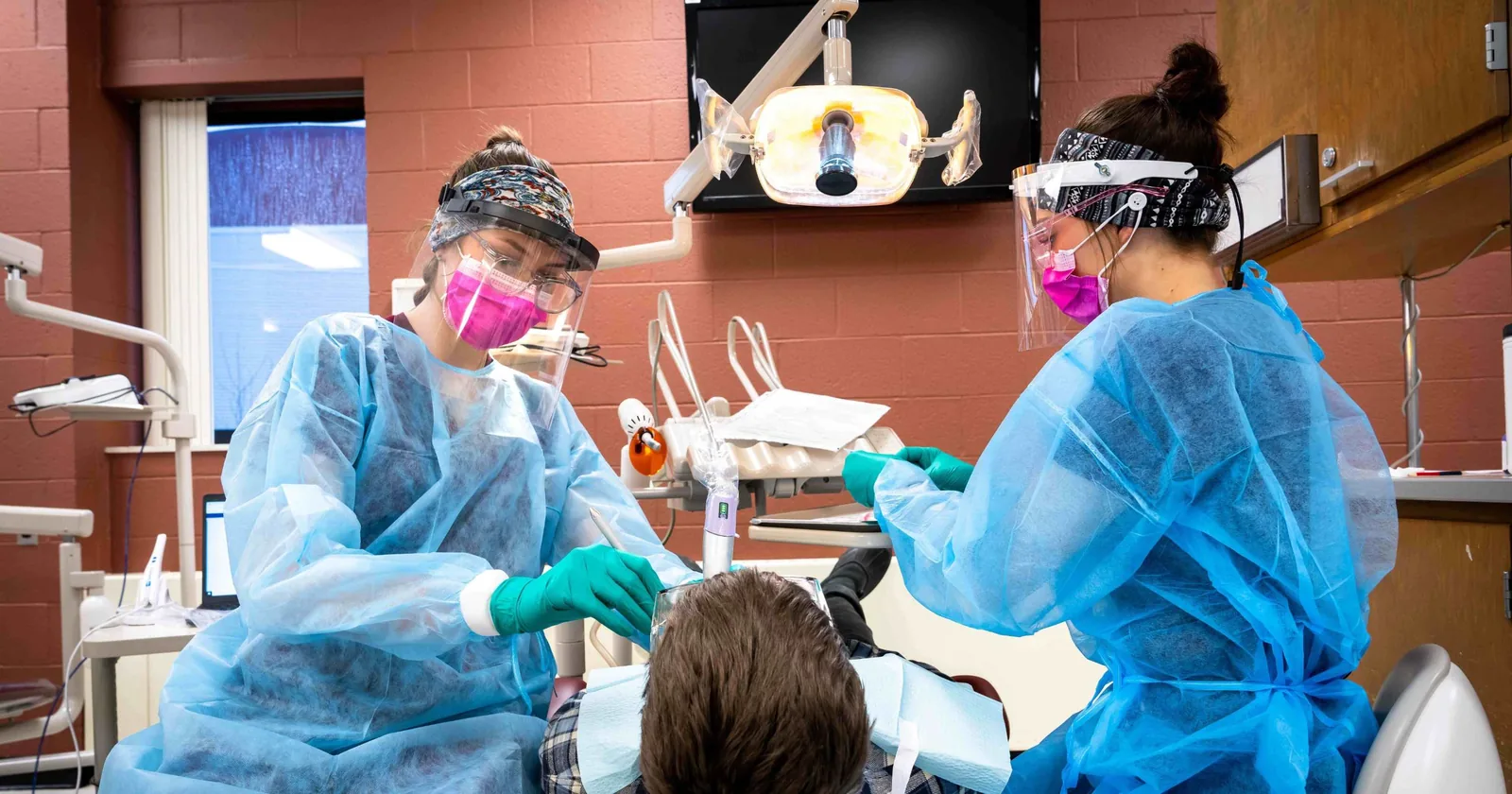
That reputation is built on hands-on training in the university’s Dental Hygiene Clinic and classroom instruction from experienced faculty. The program has continued to attract strong interest from applicants, and officials say it easily fills its annual openings.
This year, the university had 135 qualified applicants competing for 50 seats, the maximum number now allowed in each of the program’s two cohorts. In 2022, Ferris State increased each cohort from 40 students to 50 to keep pace with growing demand.
More seats would require modern labs and accreditation changes
University leaders say another expansion would take more than just classroom space. Kimberly Beistle, the dental hygiene program director, said growing to 60 students per year would require additional and updated training labs, along with different accreditation.
That is why the renovation planning now underway is so important. Ferris State officials say the work could help the university serve more students without sacrificing the quality standards that have made the program a strong draw for Michigan employers.
Theresa Raglin, associate dean for operations, assessment and compliance in the College of Health Professions, said the effort is about keeping up with workforce demand, but also about improving access to healthcare. She said shortages matter because fewer providers can mean fewer opportunities for patients to receive care.
A shortage today may mean strong career prospects for graduates
While the staffing crunch is creating problems for dental practices, it is also creating opportunity for students entering the field. Statewide projections show Michigan will continue to need roughly 555 dental hygienists a year through 2030.
The profession also offers solid pay, with average full-time salaries ranging from $79,000 to $93,000 a year. That has helped place dental hygiene among Michigan’s “Hot 50” jobs in 2026, according to the information Ferris State cited.
Beistle said the role remains important because technology cannot replace the human judgment needed in oral care. She said critical thinking and deductive reasoning are still essential when treating patients, and the work cannot simply be automated.
University leaders link oral health to broader medical care
Ferris State officials and dental advocates say the shortage has consequences beyond delayed cleanings. They point to oral health as a gateway to overall health, since oral bacteria and chronic inflammation can enter the bloodstream.
Skipping routine dental visits can contribute to larger problems, including cardiovascular disease, poor diabetes management, respiratory infections, missed cancer screenings and pregnancy complications. Raglin said there is a clear connection between oral health and a person’s overall well-being.
As Ferris State looks ahead, leaders say the university wants to build on a long record of training healthcare workers and address a shortage that affects both jobs and patient care. Raglin said the school intends to move forward intentionally in meeting the workforce need.