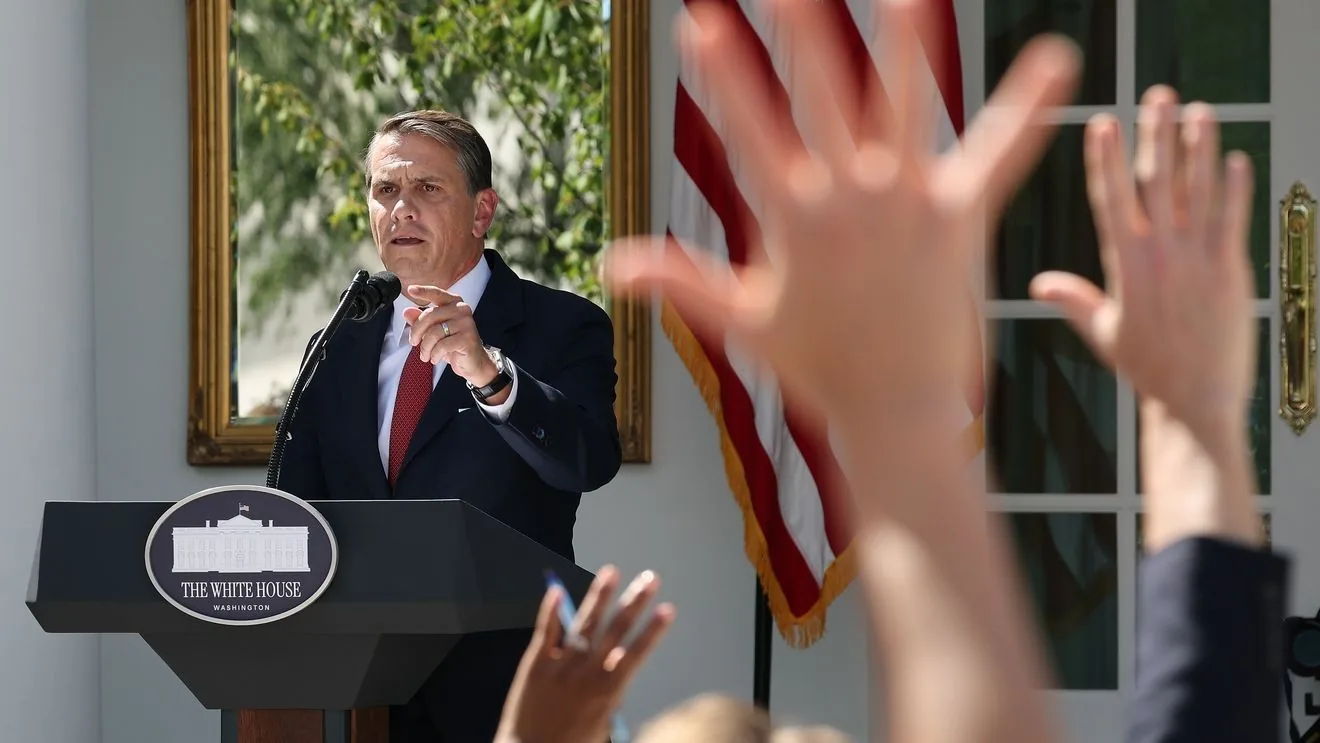
WASHINGTON, DC — Federal officials say a sweeping fraud crackdown is uncovering fresh losses tied to pandemic aid, housing programs and health funding years after the CARES Act became law. During a news conference Monday, Attorney General Todd Blanche said investigators are no longer ignoring misuse of taxpayer money.
The latest phase, called Operation Heartland Surge, ran from June 12 through September 1 and involved more than 160 defendants. Officials said the cases represent about $245 million in losses, with many tied to Paycheck Protection Program loans and other emergency relief programs.
Vice President JD Vance said people who stole money meant for American workers should expect prosecution and prison time. The administration says the effort is continuing across the country.
PPP loan cases remain a major part of the investigation
Many of the defendants targeted in the crackdown received loans through the Small Business Administration’s Paycheck Protection Program. The program was created to help businesses keep employees on payroll during the COVID-19 crisis, but federal officials say some borrowers misused the money.
Blanche framed the effort as a shift in tone from Washington. He said fraudsters had long believed the government would look away, but that, in his words, “era is over.”
The Justice Department has not described every case in the operation, but officials say the overall enforcement push is designed to recover losses and bring criminal charges where appropriate. The announced totals add to a broader federal effort that has been building for months.
Alabama health grant spending drew nearly $28 million in questioned payments
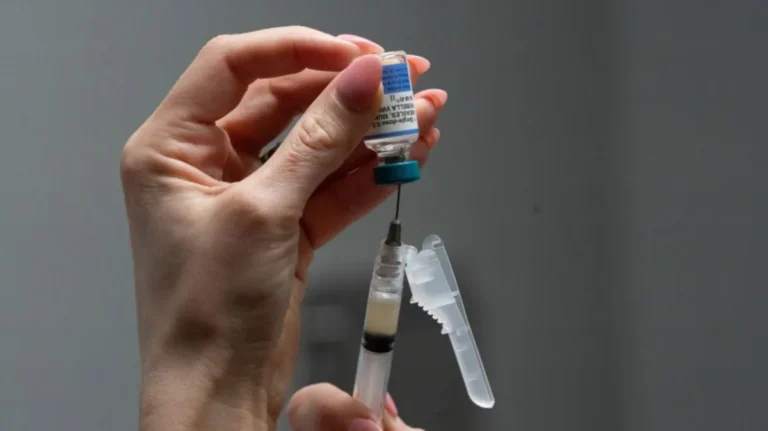
One of the biggest individual findings involved vaccine-related funding in Alabama. State health officials said nearly $28 million was improperly paid out, according to a report from the Alabama Department of Public Health.
The department said vendors were reimbursed $27.94 million for expenses that were not adequately documented or did not match the purposes of the grants. Officials pointed to vague spending summaries, missing itemized records and weak proof that the expenses were allowed or completed.
That finding underscores how pandemic-era aid programs can be difficult to monitor after the money has already been distributed. Federal officials have been increasingly focused on documentation, billing records and whether the spending matched the original grant requirements.
Los Angeles arrest tied to alleged housing referral bribery scheme
In Los Angeles, federal agents arrested Lakiya Malone on Wednesday, according to the Department of Justice. Prosecutors say she was charged in a 21-count federal indictment involving more than $180,000 in alleged bribes and kickbacks.
The indictment says the payments came from Alexander Soofer, the executive director of the nonprofit Abundant Blessings. Soofer is separately charged and has agreed to plead guilty, federal officials said.
Authorities allege the money was exchanged for priority referrals of homeless housing participants, including so-called “ghost” participants who never actually lived at the sites. Federal officials said more than $130 million was involved in the broader fraud, with more than $75 million flowing through the Los Angeles Homeless Services Authority.
San Diego arrests centered on fake daycare operations
Another set of arrests unfolded in San Diego, where investigators said they had monitored 12 people for months before acting. Federal officials say the group collected about $10 million through what they described as fake childcare operations.
Assistant Attorney General Colin McDonald said there were no children and no real daycare centers. In his words, the daycares were fake and taxpayers were paying for everything.
The case adds a different kind of fraud to the national crackdown, one that involved alleged services that did not exist at all. Officials say the investigation was built over time, suggesting surveillance and financial review were key parts of the case.
Operation Heartland Surge spans red and blue states alike
Federal officials say the enforcement effort is not limited to one region or one political party’s stronghold. The cases announced so far stretch across multiple states and involve a mix of loan fraud, grant misuse and housing-related corruption.
Democrats have argued that many of the prosecutions began during the Biden administration and say the White House is turning the crackdown into a political message. Trump administration officials, meanwhile, have emphasized the size of the losses and the need for tougher enforcement.
Whatever the politics around the rollout, the figures suggest federal investigators are still digging through pandemic-era spending. For agencies overseeing the money, the task now is not only punishment but also proving where the losses occurred and how much can still be recovered.
What the crackdown says about pandemic-era spending now
The continuing disclosures show how long it can take to uncover fraud in large emergency programs. Relief money was pushed out quickly during the pandemic, and officials say some recipients took advantage of that speed and the limited time for review.
The current cases involve housing programs, business loans, daycare claims and health reimbursements, showing that the fraud took many forms. Federal officials say the investigations are still expanding, which means more defendants and more losses could surface.
For taxpayers, the latest numbers are a reminder that emergency aid can remain under scrutiny for years. For prosecutors, the crackdown signals that older pandemic cases are still active and that major enforcement efforts have not ended.