

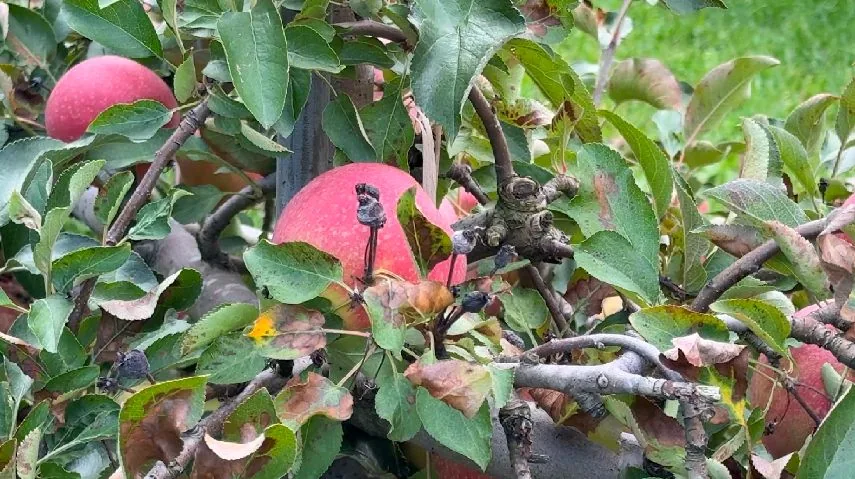
BUFFALO, NY — As fall traffic builds across New York, some family farms are leaning harder on agritourism to help balance the books. The approach blends apple picking, pumpkin patches, farm animals, seasonal food and special events into a broader business that can generate income well beyond the harvest.
At Becker Farms in Western New York, that strategy has become central to how the operation stays afloat. Co-owner Mindy Vizcarra said the farm relies on a mix of wine, beer, cider, events, pick-your-own produce and homemade baked goods to make sure the business finishes the year in the black.
Becker Farms builds income around the visitor experience
Becker Farms has turned its harvest into a destination. Families can pick their own fruit and vegetables, stop by the farm animals and take part in seasonal attractions that keep visitors on the property longer and spending more while they are there.
Vizcarra said the farm’s list of offerings goes well beyond apples. By selling hard cider, wine and beer directly to customers, along with pies and donuts made on site, the farm creates several income streams from the same piece of land.
That direct-to-customer model also helps shield the business from some of the pressure that comes with relying only on crop sales. Vizcarra said the goal is to keep the operation profitable across the full year, not just during the busiest weeks of fall.
State data shows agritourism growing as farm numbers fall
A 2024 report from the New York state comptroller found that income from agritourism and recreation on New York farms rose 78% between 2012 and 2022. The same decade saw the number of farms in the state fall by nearly 14%, underscoring the pressure many family operations face.
The numbers point to a growing role for farm-based experiences in areas where traditional agriculture alone can be difficult to sustain. For some growers, welcoming visitors has become a practical business decision rather than a side attraction.
That trend is visible in western New York, where farms are trying to make the most of the busy autumn season. The challenge is whether the extra traffic can provide enough stability to support the agricultural side of the business year-round.
LynOaken Farms relies on U-pick apples and family visits
Just down the road from Becker Farms, LynOaken Farms has taken a similar but narrower path. Co-owner Katie Oakes said the U-pick orchard has become a workable way to continue apple farming during a difficult period for the industry.
Oakes said families come to the farm because they want to be outside, spend time together and make memories. In her view, that experience is helping preserve a business that might otherwise struggle in the current apple market.
She added that the farm’s visitor-focused model has been successful enough to keep people coming back. Still, the operation is not as broad as Becker Farms, and it depends heavily on how well the orchard season performs.
Labor shortages and wages have made wholesale farming harder
The move toward U-pick and direct sales did not happen by accident. Oakes said labor costs and wholesale prices became major problems when the family business was selling apples to grocery stores. The tighter margins made it harder to keep the operation stable.
She said it has become nearly impossible to find enough local workers for the short harvest season. The farm previously used the H-2A program to bring in migrant workers, but staffing remained difficult because the work is concentrated into a limited period of time.
Those challenges help explain why so many farms are searching for models that depend less on commodity pricing alone. For LynOaken, the visitor experience is now part of the answer to a much larger business problem.
Direct sales and farm products help extend the season
Vizcarra said Becker Farms has also been squeezed by higher labor and operating costs. Even so, she believes selling directly to the public gives the farm a better chance to weather the pressure than wholesale-only sales would.
Turning extra fruit into cider and wine also helps the business stretch its harvest beyond the fall months. Those products can carry the farm’s brand into other seasons and create income after the orchard work slows down.
Both farms show how agritourism can support family agriculture, but not replace it entirely. The visitor side may bring in needed revenue, yet the farming operation still has to remain productive and sustainable if the business is going to last.
A growing attraction, but not a complete solution
Oakes said agritourism has “exploded” as farmers look for new ways to survive, and she welcomed being part of that shift. The attraction of family outings, fresh air and hands-on farm activities has clearly become a stronger part of New York agriculture.
Still, both farms acknowledge the limits. Success depends on repeat visitors, careful cost control and enough agricultural income to support the land behind the experience. The future for many family farms may rest on finding the right balance between feeding customers and hosting them.