

UTICA, NY — Millions of dollars in new state funding will help bring maternal health workers into homes and neighborhoods, improve follow-up after emergency room visits, and widen access to care across rural parts of the Mohawk Valley.
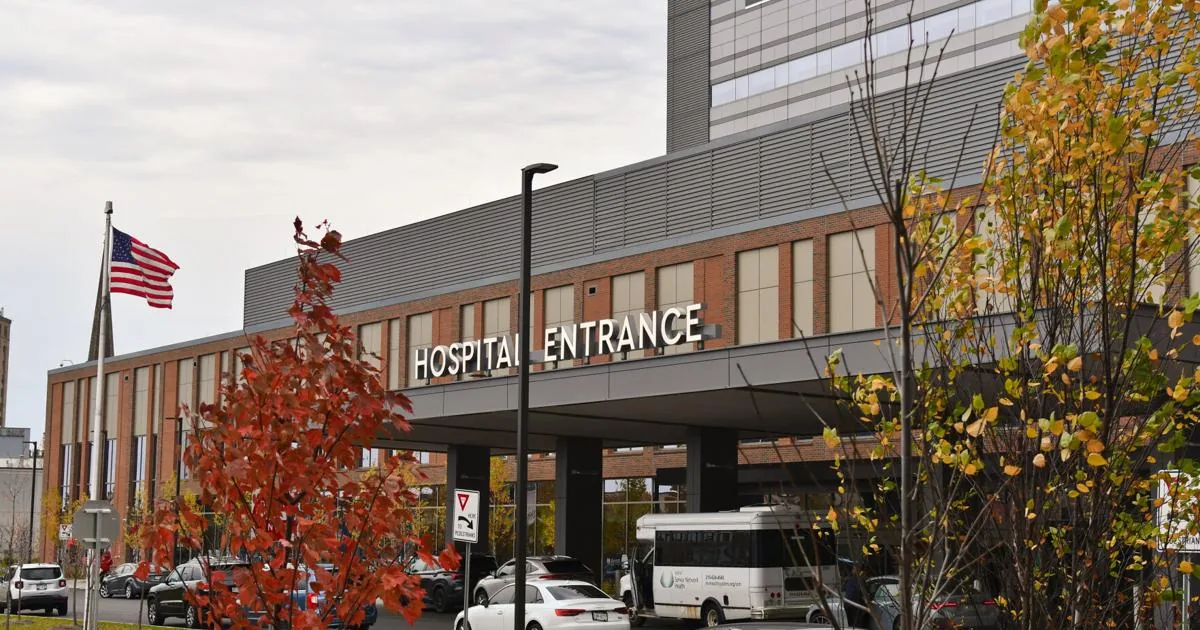
State Health Commissioner Dr. James McDonald joined local health leaders at Wynn Hospital to outline the awards, which are intended to strengthen services in Oneida, Herkimer and nearby counties. The money is part of New York’s Rural Health Transformation Program and the Rural Community Health Integration Initiative.
Officials said the local share will support projects that meet families where they are and connect residents to care that can be harder to reach outside larger cities.
State program sends more than $76 million to rural health projects statewide
The statewide initiative distributed more than $76 million to 56 organizations, with about $10 million directed to projects benefiting Oneida and Herkimer counties. The awards are designed to help rural communities improve access to health care services, build partnerships and fill service gaps that can be especially difficult in less populated areas.
McDonald said the state wants programs that reach people before problems grow more serious. That includes prenatal visits during pregnancy, support after childbirth and help for patients who need guidance as they move through a complicated health system.
Local leaders framed the funding as a practical investment in day-to-day care, rather than a single large-scale project. The effort is meant to strengthen existing providers while adding community-based support where residents live, work and gather.
BLOOM network aims to support mothers before and after birth
One of the largest local efforts will focus on maternal and infant health in Oneida and Herkimer counties. Mohawk Valley Health System officials said community assessments showed maternal health was a significant need, with the counties missing state goals for first-trimester prenatal care.
Leaders also pointed to higher-than-desired preterm birth, infant mortality and maternal mortality rates across the region. Dr. William LeCates, president and CEO of Mohawk Valley Health System, said those numbers call for better access to high-quality care and more support for mothers and babies.
The new network, called BLOOM, stands for Bringing Local Outreach, Opportunity, and Maternal support. It will coordinate community-based services for women during pregnancy, around birth and after they return home.
Community health workers, doulas and telehealth will extend care into neighborhoods
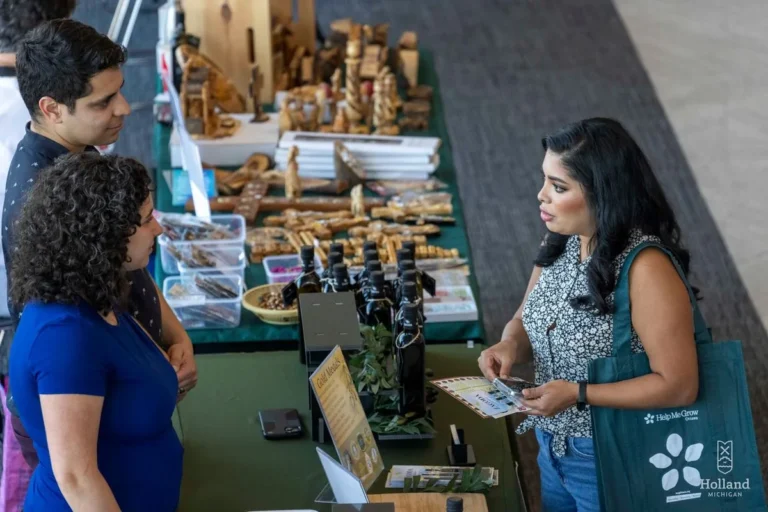
MVHS and regional partners plan to send specially trained community health workers, peer specialists and doulas into homes and community settings. Those teams will offer education and support during pregnancy, and they will also work in places where families already spend time, including schools, libraries, businesses and churches.
The program will add community health workers to two MVHS practices and use telehealth when it fits the situation, including with mobile teams and clinical staff. Organizers also plan an education campaign to promote prenatal care and efforts to expand the number of trained doulas in the region.
Another goal is to build stronger working relationships among doulas, nurses and other health care providers so families can move more easily between community support and medical care.
Healthy Alliance will help families find food, housing and transportation support
Healthy Alliance is among the organizations taking part in the maternal health effort. Its role will be to connect families with help that goes beyond the doctor’s office, including food, housing and transportation resources that can shape whether people are able to keep appointments and follow care plans.
Program leaders said the idea is to make the most of each visit. Instead of sending a patient away with another phone number to call, community health workers embedded in maternal clinics and mobile teams will be able to help connect women to services while they are already there.
That approach is meant to reduce barriers for families who may be juggling childcare, travel and other practical concerns while trying to get regular prenatal and postpartum care.
Oneida Health expands care coordination after emergency department visits
Another local award will go to Oneida Health to improve care coordination for patients in Madison and Oneida counties, especially after emergency room visits. The project will focus on helping people connect with primary care, mental health services, medication assistance and support for chronic conditions.
Oneida Health plans to work with Madison County Public Health, Madison County Mental Health, Integrity Partners for Behavioral Health, Hospice and Palliative Care, and other community organizations. The goal is to make it easier for patients to move from urgent treatment into ongoing care.
Felissa Koernig, president and CEO of Oneida Health, said many people face a complicated health system at difficult moments. She said they should not have to handle that process on their own.
Other Mohawk Valley projects will add dental, behavioral and school-based services
McDonald also highlighted several additional projects receiving support across the region. Upstate Caring Partners will expand intellectual and behavioral health expertise and care coordination for people with high needs, while Rome Health will work to recruit additional dental hygienists.
Community Memorial Hospital will create a rural care network that links residents with health care, behavioral health and social services. Bassett Medical Center will expand school-based health clinics to improve access to preventive and primary care for students and families.
Together, the projects are intended to widen the region’s care options in settings that feel closer to home. State and local leaders said the funding should help rural communities build stronger connections among providers, families and support services.