
NEW YORK, NY — New York City health officials are investigating another Legionnaires’ disease cluster, this time in parts of the South Bronx, where five cases and one death have been reported so far. The city Health Department said Thursday that it is still waiting on results for other possible cases.
The affected area includes ZIP codes 10451 and 10456, covering parts of Melrose and Morrisania. Officials said testing is underway on samples collected from cooling towers in the neighborhood, and they are advising clinicians to watch for possible cases and order testing when the illness is suspected.
City crews test cooling towers as investigation moves forward
The Health Department said it is actively working the cluster and has sent water ecologists to sample cooling towers in the area. If any tower tests positive for Legionella bacteria, the city said it will require full cleaning and disinfection right away.
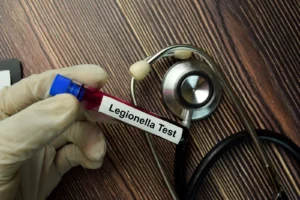
That response follows the standard public-health approach for Legionnaires’ disease, which can spread when contaminated water droplets are inhaled. Officials have not said yet which building or buildings may be involved, and the investigation remains focused on environmental testing and case tracking.
Health Commissioner Dr. Alister F. Martin said New Yorkers may be especially concerned because of a recent cluster on the Upper East Side. He said the city is taking immediate action to identify and address any positive cooling towers.
What Legionnaires' disease is and how it spreads
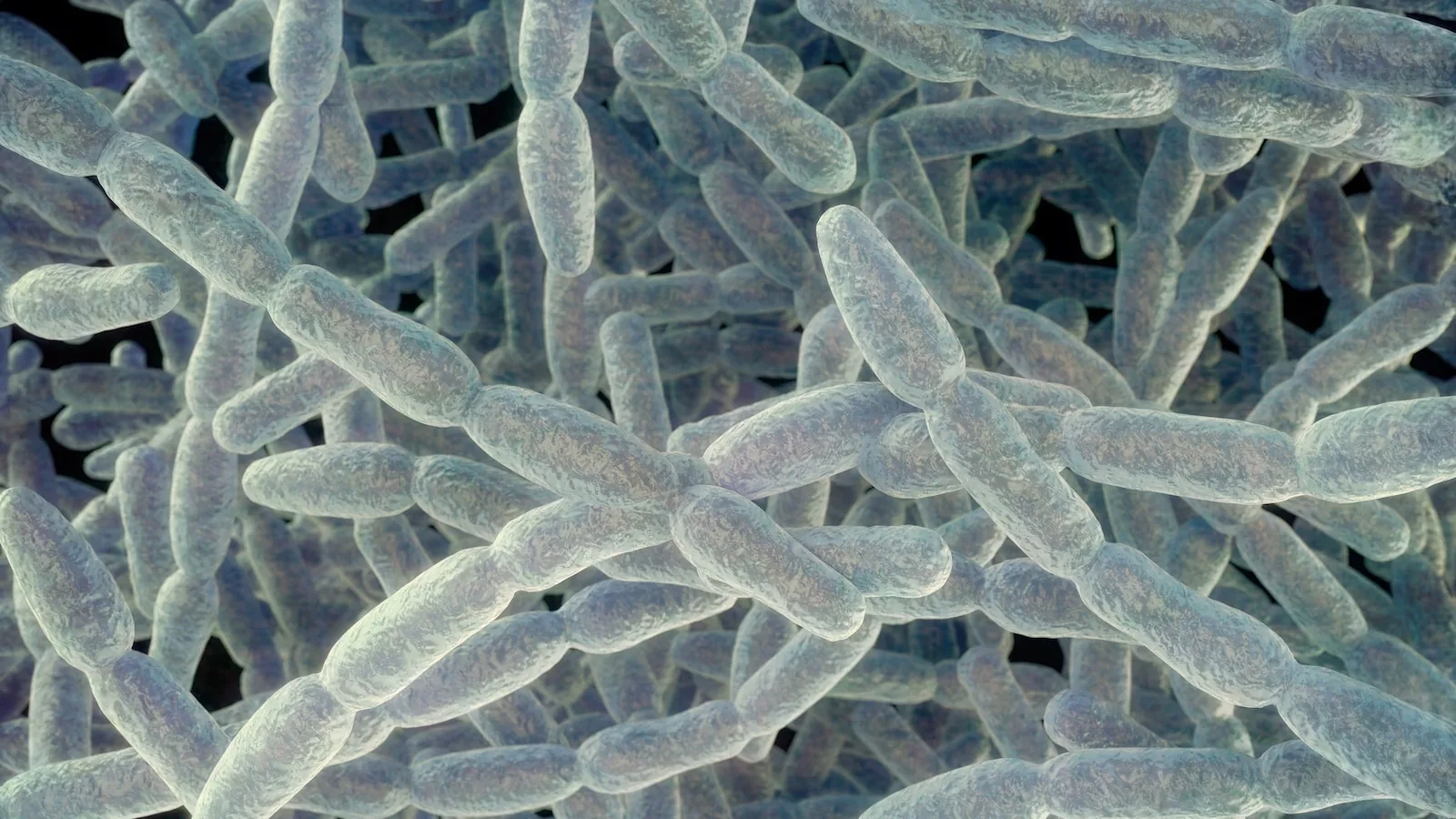
Legionnaires’ disease is a serious form of pneumonia caused by the Legionella bacteria. People become infected by breathing in tiny water droplets that contain the bacteria or by accidentally inhaling contaminated water into the lungs.
The bacteria occur naturally in freshwater, but they usually do not cause illness unless they grow in warm water systems. According to the Centers for Disease Control and Prevention, they can thrive in hot conditions and are commonly found in places such as shower heads, sink faucets, hot water tanks, heaters, cooling towers and other plumbing systems.
The illness does not generally spread from person to person. Instead, outbreaks are usually tied to contaminated building water systems, which is why health workers are focusing on cooling towers and similar equipment in the South Bronx area.
Recent Upper East Side outbreak raised concern across the city
The new South Bronx cluster comes just weeks after a different Manhattan cluster was declared over. That earlier outbreak, on the Upper East Side, led to more than 90 cases and 11 deaths, according to city health officials.
Investigators linked that outbreak to bacteria found in some buildings’ cooling towers, reinforcing the city’s emphasis on inspecting water systems quickly once cases appear. The earlier episode also helped shape the current response, with officials moving fast to sample towers and alert medical providers.
City leaders are now trying to contain the new cluster before it grows larger. At this stage, the Health Department has not announced a final source for the South Bronx cases, but it has made clear that environmental testing is still in progress.
Who faces the highest risk of serious illness
Most people who get Legionnaires’ disease recover with antibiotics, but some patients can become seriously ill. The CDC says people with weakened immune systems or chronic lung disease are among those at greater risk of complications.
Federal health officials also say about one in 10 people who develop the disease die from complications. The risk is even higher in healthcare settings, where about one in four patients who develop Legionnaires’ disease during a facility stay die, according to the CDC.
Those figures explain why health officials are urging quick medical attention for anyone who may have been exposed in the affected neighborhood and develops symptoms such as fever, cough, shortness of breath or muscle aches.
Officials urge residents and workers to watch for symptoms
The city said anyone who lives or works in the affected area, or visited since late August, should contact a healthcare provider right away if symptoms appear. Health officials specifically listed fever, cough, shortness of breath and muscle aches as warning signs.
Clinicians are being asked to keep Legionnaires’ disease in mind when evaluating patients from the South Bronx ZIP codes. The Health Department said prompt testing can help identify cases sooner, which is important both for treatment and for the ongoing environmental investigation.
For now, the city’s message is one of caution and quick response: people with possible symptoms should not wait, and building-related testing will continue until officials are satisfied the cluster has been identified and addressed.