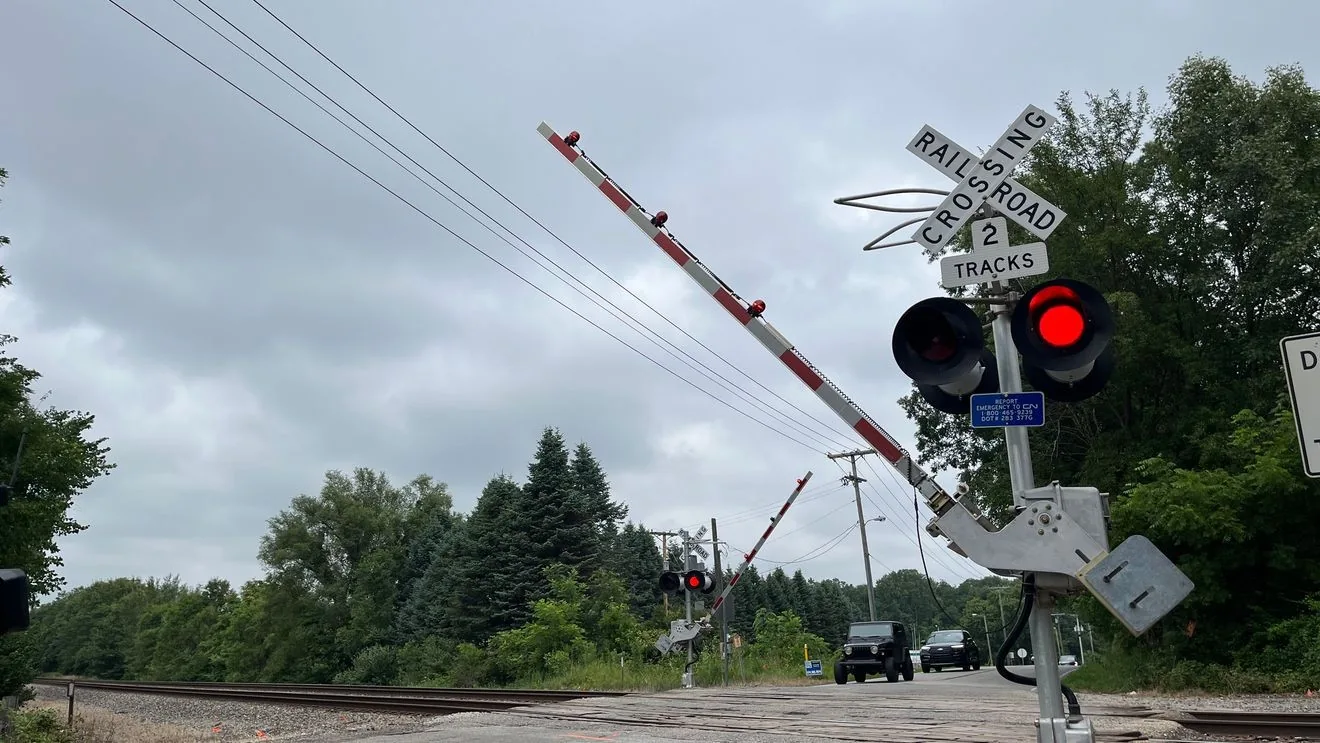
KALAMAZOO, MI — A railroad safety campaign is opening in Kalamazoo with a Monday morning event aimed at helping drivers, pedestrians and rail workers avoid deadly mistakes near the tracks. Michigan Operation Lifesaver is joining the Michigan Railroads Association and the Michigan Department of Transportation for the local kickoff of “See Tracks? Think Train Week” at the Burdick Street Amtrak Station.
The weeklong effort, which runs Sept. 21 through Sept. 27, is designed to remind people that trains cannot stop quickly and that railroad crossings demand extra caution every time. Organizers say the public education push is part of a national effort to reduce injuries and deaths around rail lines. Each day of the campaign will focus on a different audience, from first responders to cyclists, drivers, photographers and people who live or work near tracks.
How the Kalamazoo kickoff fits into a national rail-safety campaign
The Monday event starts at 10 a.m. and serves as the opening for the Michigan observance of the national campaign. Operation Lifesaver, the rail safety nonprofit behind the effort, previously called the week Rail Safety Week before rebranding it as See Tracks? Think Train Week, or ST3Week, beginning in 2017.
Michigan Operation Lifesaver describes itself as the state branch of the national group. For the kickoff, it is working alongside the Michigan Railroads Association and MDOT to spotlight safe behavior around tracks and crossings. The partnership reflects a broader goal: getting the message out to everyday travelers, not just railroad employees, about how easily an ordinary moment near the tracks can turn dangerous.
Organizers say activities are being planned for each day of the campaign. That structure is meant to make the message practical, with different reminders tailored to the specific people most likely to encounter rail hazards during the week.
Seven days of rail-safety messages aimed at different groups
Each day of ST3Week is built around a separate theme. Monday’s focus, #STOPTrackTragedies, is aimed at media members, government officials, Operation Lifesaver partners and the general public. Tuesday’s Operation Clear Track is designed for law enforcement and first responders.
Wednesday highlights Crossing Safety for mature drivers, new drivers, professional drivers, school bus drivers, outdoor enthusiasts, transit users, farmers, shift workers and anyone else who may be near tracks. Thursday turns to Transit Safety and Professional Driver Safety, while Friday encourages people to volunteer with Operation Lifesaver and wear red for rail safety.
The weekend themes continue the targeted approach. Saturday focuses on Trespass Prevention for pedestrians, cyclists, joggers, college students, outdoor enthusiasts and others near the rails. Sunday closes the week with No Photo/Video/Selfie Is Worth the Risk, aimed at photographers and social media influencers.
Operation Lifesaver's warning: trains are quieter and harder to stop than many people expect
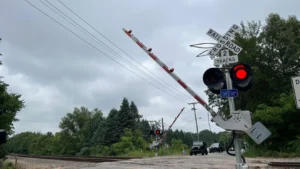
One of the central messages from Operation Lifesaver is simple: always expect a train. Freight trains do not run on fixed schedules, and passenger train times can change, so people should never assume a crossing is clear just because they do not see a train immediately.
The group also stresses that trains cannot stop quickly. It says an average freight train traveling 55 mph can need more than a mile, or the length of 18 football fields, to come to a complete stop. That makes it critical for drivers and pedestrians to give trains the right of way every time.
Another reminder is that modern trains are often quieter than people realize. Without the old “clackety-clack” sound that many people associate with rail traffic, an approaching train can be harder to detect in time. Operation Lifesaver says that is one reason people should stay alert even when a track looks inactive.
Why crossing rules matter for drivers, walkers and emergency responders
Operation Lifesaver says railroad tracks are private property and should never be treated like a shortcut or a place to walk. Beyond the risk of trespassing, walking on tracks can put people directly in danger because trains may be closer or moving faster than they appear.
The organization also warns that trains overhang the tracks, so people should stay at least 15 feet away. It says to assume railroad property is in use even if weeds are growing through the rail bed or the line appears abandoned. Those visual clues can be misleading, and the danger remains real.
One of the strongest points in the campaign is that trains have the right of way 100% of the time, including over pedestrians, vehicles, police officers and emergency responders. That message is meant to remove any confusion at crossings and reinforce the idea that caution, not urgency, should guide every decision near the rails.
A public reminder built around prevention, not reaction
The rail-safety week is not tied to a crash or emergency in Kalamazoo. Instead, it is a preventive effort meant to reduce the kinds of tragedies that can happen when people underestimate how quickly a train can appear or how slowly it can stop. The educational campaign is built around repetition, with each day reinforcing a different kind of risk.
National data cited by Michigan Operation Lifesaver says someone is hit by a train every three hours in the United States. That statistic is part of the reason the organization says the campaign matters, especially for people who cross tracks regularly or spend time near rail corridors for work, recreation or travel.
By opening the week at a station used by passengers and the public, the Kalamazoo event puts the safety message in a place where people can see rail traffic up close. Organizers hope that visibility will encourage safer habits long after the week’s themed events end.