
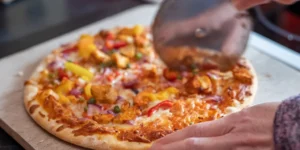
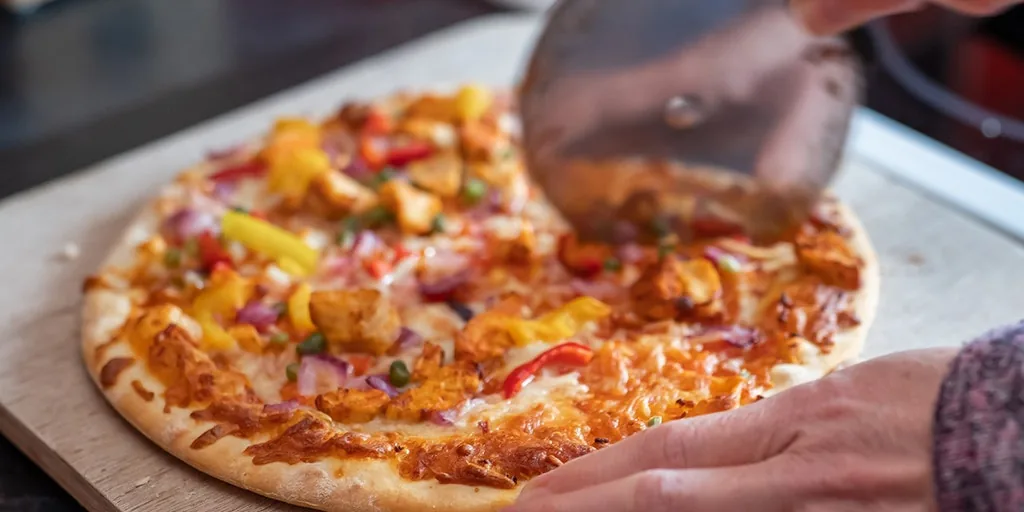
CHICAGO, IL — Conagra Brands has stopped making Celeste frozen pizzas, closing the book on a low-cost freezer staple that many shoppers grew up seeing in supermarkets. The company confirmed the decision during its fiscal first-quarter 2027 earnings remarks on Sept. 30, saying the brand no longer fit its plans for future investment.
A company spokesperson later said shoppers may still find Celeste products in stores for a while because remaining inventory will continue to sell through. Once those boxes are gone, however, new Celeste pizzas will not be made. The move has already stirred memories online, where fans have been sharing stories tied to the brand and its familiar place in family kitchens.
Conagra says smaller brands must earn their place in the portfolio
Conagra Chief Executive John Brase said the company is trying to focus on brands and categories that have a clearer path forward. In his remarks, he described Celeste as one of several smaller labels that no longer justify continued spending when the growth outlook is weak.
Brase said some parts of the portfolio simply do not have enough future potential to support more investment. He said it makes sense to leave behind small, unprofitable or low-profit businesses as quickly as possible. The decision on Celeste was presented as part of that larger effort to sharpen the company’s mix and direct resources elsewhere.
The company also said the exit from Celeste reduced first-quarter net sales by about 15 basis points. Conagra expects the change to help margins over time, meaning the company believes the move could improve profitability even if it trims sales in the short term.
Shoppers may still spot Celeste boxes until stores run down inventory
Even though production has ended, Conagra said it will continue selling the pizzas that were already made. That means Celeste can remain on shelves until retailers work through what they have on hand.
The spokesperson’s message was straightforward: no new product is being manufactured, and once the remaining supply is gone, Celeste will disappear from the market. For customers who bought it regularly, that creates a short transition period rather than an immediate vanishing act.
Frozen foods often stay in circulation for a while after production stops, especially when large retailers have inventory in distribution channels and freezers. In this case, Conagra’s explanation suggests the brand’s exit will unfold gradually as stores clear the last shipments.
The move fits a broader push to simplify Conagra's food lineup
Brase said the company is looking for similar opportunities as it works to cut complexity across its portfolio. He pointed to what he called the simplification of the company’s core platforms, a strategy aimed at making the business more focused and more productive.
One example he cited was the size of Conagra’s single-serve meal lineup. The company has more than 400 single-serve meal stock-keeping units, and Brase said he sees room for a much simpler assortment in the future.
That kind of streamlining can matter in a crowded grocery aisle, where manufacturers often try to balance consumer demand, production costs and shelf space. In Celeste’s case, the brand appears to have fallen below the level Conagra now wants to support as it narrows its priorities.
A familiar freezer pizza prompts an online wave of nostalgia
News of the shutdown quickly spread on social media, where many users reacted less like customers losing a product and more like people remembering a piece of childhood. Several commenters described the pizzas as a familiar pantry standby in their homes or in relatives’ kitchens.
One person wrote that “Mama Celeste” deserved respect and recalled the brand’s once-common promotional deals. Another said their grandmother always kept one on hand, turning the pizza into a reminder of family memories. Others called it “my childhood pizza” or said the news made them emotional.
That response shows how even an inexpensive frozen food can build a lasting connection over time. For some shoppers, Celeste was not just a quick dinner but part of the rhythm of everyday life, which helps explain why its disappearance feels personal.
Celeste began with Celeste 'Mama' Lizio and a Chicago-area food business
Celeste’s origins go back to Celeste “Mama” Lizio, who built a food business in the Chicago area before selling it to Quaker Oats in 1969, according to a 1988 Los Angeles Times obituary. That history helped give the brand a long life in the frozen-food aisle.
Over the years, Celeste became known as a value option for households looking for an affordable pizza night. Its long shelf presence made it recognizable to generations of shoppers, even as the frozen-food market continued to change around it.
Now, with production stopped and the remaining inventory winding down, the brand’s future has effectively ended. What remains is a familiar pattern in retail: a once-common product exits quietly, and customers notice most when they realize it is no longer there.