



NEW YORK, NY — Small business owners across New York City say higher tariffs are pushing up costs, while worries over Canadian retaliation and boycotts are helping weaken demand.
One East Harlem restaurateur says the pressure is showing up in everyday ingredients, from tomatoes to cheese, and forcing hard choices at home and in the business. Industry leaders in Manhattan are also describing a broader strain on neighborhood companies that rely on imported goods, steady tourism and discretionary spending.
For some operators, the worry is not only about one product line or one season. They say the combination of import taxes, inflation in key food items and softer travel from Canada is making it harder to plan, price meals and keep staff and owners paid.
East Harlem diner owner says tomato prices have soared
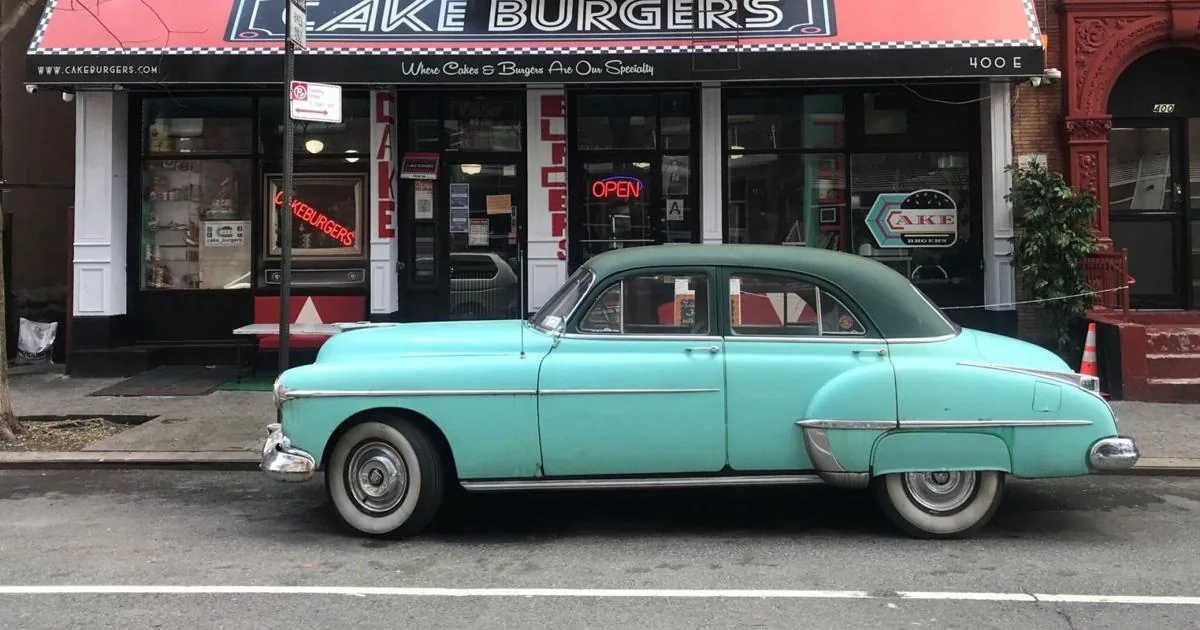
Evette Zayas, who runs CakeBurgers, a retro diner and bakery in East Harlem, says she tries to give customers a break from the pressures of modern life inside a room filled with vintage details, including a rotary phone and an antique radio. Music from a jukebox is part of the atmosphere she wants to preserve.
But outside that nostalgic setting, she says the business has been hit by rising food costs tied to import taxes and shifting supply conditions. Zayas said a case of tomatoes that once cost about $25 now sells for just over $110, a jump she described as nearly unbelievable.
She said the restaurant has not raised prices during the past seven years, including during the pandemic, because many customers simply do not have more money to spend. Even so, she said the current pressures are making it harder to keep that approach going.
Owners are cutting back at home to keep the restaurant running
The price increases have affected the Zayas household as well as the business. Zayas said she and her husband, who run CakeBurgers together, have stopped paying themselves a salary while they wait for costs to settle.
She said the family is living in a kind of survival mode, relying on food from the restaurant and limiting other spending. Her comments reflect how quickly wholesale changes can ripple from the supply chain into a small business’s household budget.
The restaurant sits in a pre-war tenement building and has operated for seven years in its current home. Zayas says she has built the business around holding prices down, but she also says the latest increase in ingredient costs has made that approach much harder to sustain.
Manhattan Chamber of Commerce calls tariffs a hidden tax
Business groups in Manhattan are now speaking more openly about the effect of tariffs on neighborhood firms. The Manhattan Chamber of Commerce has estimated that the import taxes amount to an “estimated $4.5 billion hidden annual tax on NYC metro small business.”
Jessica Walker, the chamber’s president and CEO, said tariffs function as taxes paid by businesses and consumers on both sides of the border. She said smaller firms are already feeling squeezed by higher costs and weaker demand, and argued that a trade conflict leaves neither country stronger.
Walker also said New York remains open to Canadian visitors, a sign that city business leaders see tourism as part of the recovery equation. For many restaurants, hotels and shops, even a modest drop in cross-border spending can affect budgets quickly.
Canadian travel and hotel bookings have fallen
The concern is not limited to grocery bills and restaurant supplies. Officials and industry groups say Canadian travel to New York has declined, adding another layer of pressure to local businesses that depend on visitors.
According to an August statement from the governor, trips to New York state from Canada fell 26 percent last year, while tourism spending dropped 28 percent from 2024. The Hotel Association of New York City said hotel bookings from Canadians were down 15 percent in April 2025, the month the tariffs were first announced.
Hotel Association president and CEO Vijay Dandapani said New York is welcoming to Canadian travelers and added that many residents are strongly opposed to the federal policy that has strained the long relationship between the two countries.
Tariff fight extends beyond one city’s restaurants and hotels
The latest tariff actions cover a wide range of goods, including selected Canadian cheeses, milk, alcohol, honey, cement and several kinds of vegetation. The changes apply to about five percent of Canada’s exports to the United States, worth roughly $28 billion annually.
Canada’s counter-tariffs target $27.6 billion in U.S. imports in the same categories chosen by the United States. That reciprocal approach shows how quickly the dispute has moved beyond rhetoric and into day-to-day business decisions on both sides of the border.
For New York owners trying to manage inventories and attract customers, the result is uncertainty. Prices for produce, dairy and other basics can move sharply when supply chains tighten, and small businesses have less room to absorb the hit than large chains.
Trade experts say American business pressure may matter most
Drew Fagan, a professor at the University of Toronto’s Munk School of Global Affairs & Public Policy and an expert on Canada-U.S. relations, said it is notable that some American business leaders are now criticizing the administration’s tariff policy. He said many U.S. companies have been reluctant to challenge the president directly.
Fagan said that reluctance matters because political pressure inside the United States may be more effective than pressure from Canada alone. He noted that the United States is less dependent on trade than Canada, which makes support from American allies especially important.
In his view, people in the United States who speak up about the disruption may help shape the debate. He said opposition from businesses feeling the impact could become a key factor, even though many still worry about drawing the White House’s anger.