


KALAMAZOO, MI — Youth hockey families in Kalamazoo are watching trade tensions between the United States and Canada with more than casual concern. Tariffs on Canadian goods are now threatening to make an already expensive sport even harder to afford, especially when it comes to sticks and other equipment that young players eventually break, outgrow or replace.
For parents, the worry is not abstract. Hockey requires a long list of gear, and much of it is costly before a child ever steps onto the ice. Local leaders say the price of replacement equipment could climb if import costs continue to rise, adding pressure to families already balancing league fees, travel and padding out a child’s full set of gear.
Canada’s retaliation raises the stakes for hockey gear sold in the United States
Canada’s retaliatory tariffs on nearly $20 billion worth of U.S. goods took effect at midnight Tuesday after President Donald Trump imposed 50% tariffs on Canadian goods last month. The back-and-forth has widened into a broad trade fight affecting hundreds of products, from makeup and steel to clothing and hockey sticks.
Jeff Rightmer, associate professor of global supply chain management at Wayne State University, said the dispute has escalated quickly. He described the move as Canada responding in kind after the United States targeted Canadian imports. That kind of exchange can affect pricing all along the supply chain, especially for items that cross the border before reaching stores and families.
Because hockey gear is part of the tariff mix, families who need new equipment could feel the impact in their wallets even if they never think about trade policy day to day.
A local hockey parent sees the cost from both sides of the rink
Chris Buckley, board president of the Kalamazoo Optimist Hockey Association, knows the sport both as a former player and as a parent. He said equipment was cheaper when he played, especially the wooden sticks that were common years ago. Today’s carbon fiber sticks are far more advanced, but they are also much more expensive.
Buckley said he worries about what happens when a child breaks a stick during the season. For hockey parents, that kind of replacement is not optional. It is part of keeping a kid on the ice and participating with the team.
His concern reflects a broader reality for families in youth hockey: once the season starts, the gear has to be there, whether it is a helmet, skates, pads or a stick. Delaying a purchase usually is not an option.
Parents can rent or buy used gear, but core equipment still adds up fast
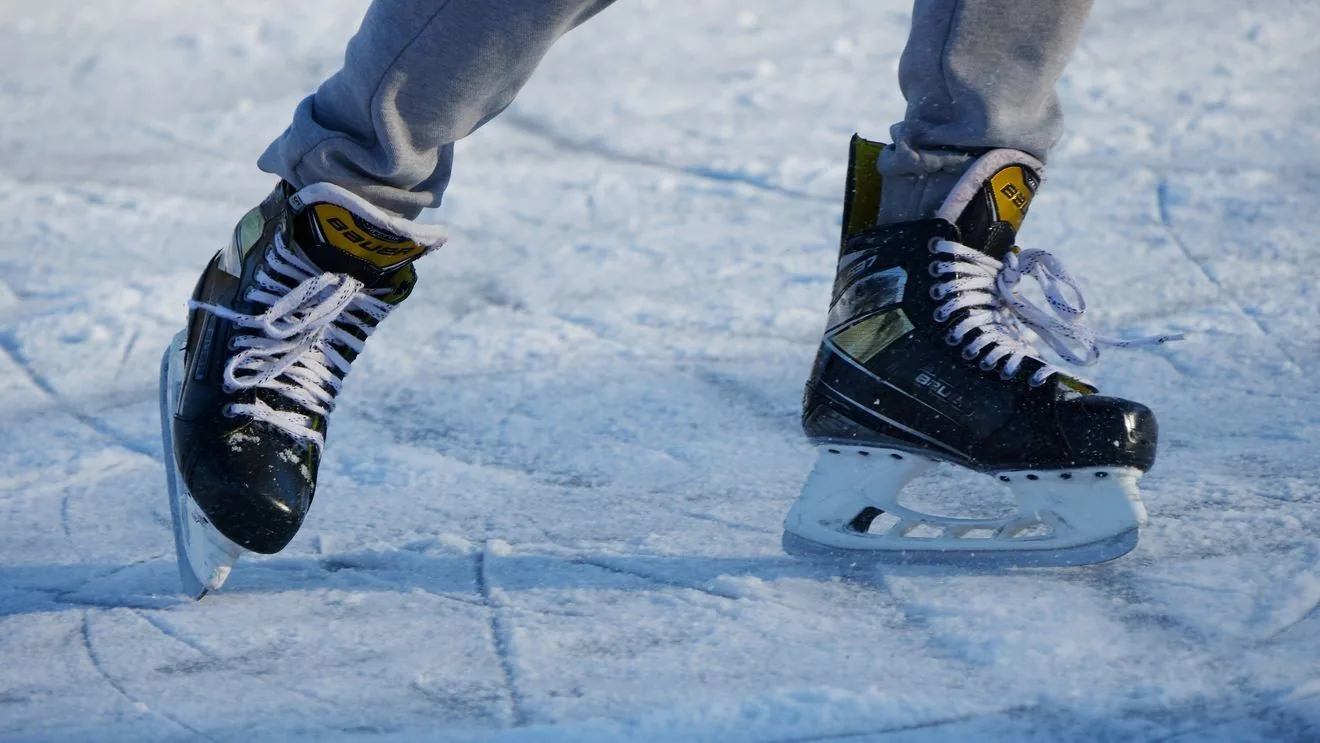
Buckley estimated that outfitting a child with skates, pads, sticks and other necessities can come close to $1,000. Costs tend to rise as children get older and need larger or more specialized gear. Even families that use second-hand equipment or rental options still have to cover the basics.
That makes hockey one of the pricier youth sports in America, and tariff-driven price increases could make it harder for some children to participate. Buckley said families do have choices, but they cannot avoid buying equipment altogether if they want their children to play.
The practical challenge is that youth hockey is built around equipment-heavy participation. Once a child is committed, the expenses do not stop at the first purchase. They can return every time a player grows, wears something out or needs a replacement during the season.
Local shops could feel the squeeze if more families chase online deals
Buckley said he hopes the higher costs would not hurt local hockey stores in town. At the same time, he expects more parents may turn to the internet to search for discounts if prices keep climbing. That shift could help families find lower prices, but it may also bring new risks if buyers do not know exactly what they are getting.
For neighborhood retailers, that kind of change can matter. Hockey shops rely on repeat business from parents who need quick replacements, proper sizing and gear they can trust. If tariffs push more shoppers away from local stores, the pressure could spread beyond families and into the businesses that serve them.
Those concerns add another layer to the trade dispute. The impact is not limited to large companies or cross-border shipping. It can reach a child’s stick bag and the local shop where a parent usually buys the next replacement.
Supply chain experts say the longer the dispute lasts, the more consumers pay
Rightmer said the longer the tariff fight continues, the worse it becomes for everyone involved. His view reflects a basic supply chain concern: once prices rise across multiple steps, the added cost can work its way down to the consumer.
He said the hope is that the United States and Canada return to negotiating. Until then, tariffs on both sides are piling up across a wide range of goods, and hockey gear is one of the categories caught in the middle.
For Kalamazoo families, the issue is immediate and personal. A season can be measured in goals, practices and road trips, but it is also measured in equipment bills. If those bills rise further, the cost of keeping a child in the game may become even harder to manage.